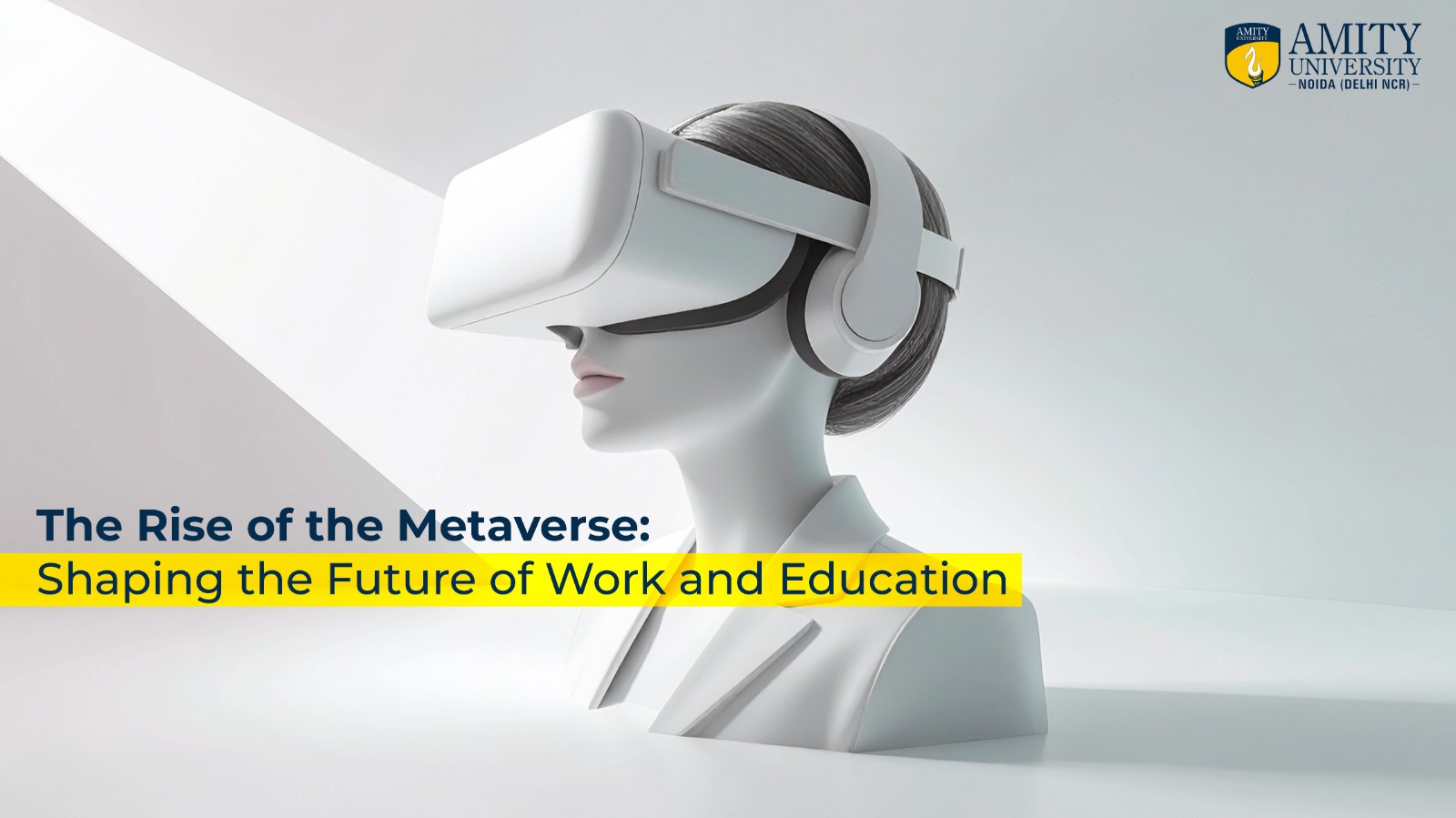
The world is entering a new digital era, one where physical and virtual realities blend seamlessly. This evolving space, known as the metaverse, is more than a technological buzzword. It is a rapidly expanding ecosystem that is redefining how we work, learn, collaborate, and experience the world.
While early conversations focused on gaming and entertainment, the real transformation is now happening in classrooms, workplaces, and global industries. With immersive tools, virtual spaces, and digitally connected communities, the metaverse is reshaping the future of work and the very foundation of education.
This is not science fiction. This is the next major shift in human interaction, and Gen Z is stepping into it first.
How the Metaverse Is Transforming Education
Traditional teaching models are evolving as the metaverse in education becomes mainstream. Immersive, interactive, and personalised learning is beginning to replace one-way instruction. Students are no longer passive listeners; they are active explorers inside virtual environments.
1. Immersive Classrooms
Through virtual reality learning, students can walk through historical cities, explore human anatomy in 3D, or conduct science experiments without limitations. Learning becomes experience-driven, increasing retention and curiosity.
2. Borderless Access to Global Classrooms
The metaverse breaks geographical barriers. Students can collaborate with peers and professors worldwide, enhancing cultural understanding and global exposure.
3. Real-World Simulation Labs
From engineering and design to architecture and medicine, virtual labs offer risk-free, high-precision environments to practice skills before applying them in the real world.
4. Personalised Learning Paths
Adaptive virtual environments allow students to move at their own pace, revisit concepts, and build skills with interactive support.
The result is a more engaging, inclusive, and effective education model for the next generation.
How the Metaverse Will Redefine the Future of Work
The workplace of tomorrow will not be limited by office walls. Instead, companies will operate in hybrid ecosystems that merge digital and physical realities.
1. Virtual Offices & Digital Collaboration
Teams will meet, brainstorm, and build inside 3D workspaces, making remote collaboration more natural and connected.
2. Enhanced Employee Training
Through virtual reality learning, companies can train employees using realistic simulations. This includes safety drills, presentations, customer interactions, and technical upskilling.
3. Rise of Digital Workspaces
Workflows like design, analytics, HR onboarding, and client presentations will shift to immersive digital environments, boosting both creativity and productivity.
4. New Metaverse Job Opportunities
As adoption grows, new roles are emerging:
- Metaverse architects
- 3D experience designers
- Virtual event planners
- VR curriculum developers
- Digital asset managers
- Immersive brand strategists
These roles will define the next wave of the future of work.
The Amity Edge
At
Amity University Noida, students are prepared for the next digital revolution through immersive learning and future-ready skill development.
- Industry-aligned courses expose learners to real-world applications of the metaverse in education.
- Labs and digital ecosystems introduce virtual tools, simulations, and VR-based learning experiences.
- Students gain awareness of emerging metaverse job opportunities through expert sessions, workshops, and hands-on projects.
- A strong focus on digital innovation equips students for the evolving future of work.
- Collaborative virtual spaces enhance teamwork, communication, and global networking.
Conclusion
The metaverse is not a distant concept; it is an evolving reality. As classrooms become interactive worlds and workplaces shift into immersive digital ecosystems, students who adapt early will thrive. By embracing virtual reality learning, exploring new technologies, and developing future skills, young professionals can become pioneers in this transformation.
The future belongs to those who understand that learning and working are no longer confined to physical spaces. The metaverse is rewriting the rules, and the next generation is ready to lead the change.
FAQs
1. How is the metaverse in education improving learning experiences?
The metaverse in education enhances learning by creating immersive, interactive 3D environments where students can explore concepts through real-time virtual simulations.
2. What metaverse job opportunities should Gen Z prepare for?
Emerging metaverse job opportunities include VR designers, digital asset managers, metaverse architects, virtual trainers, and immersive brand strategists.
3. How does the metaverse influence the future of work?
The future of work will include virtual offices, immersive training programs, hybrid teams, and digital collaboration, making work more flexible and interactive.
4. What is the role of virtual reality learning in the metaverse?
Virtual reality learning helps students practice skills in simulated environments, explore complex subjects deeply, and engage with educational content more effectively.
5. Why should students explore non-traditional digital skills for the future?
Digital-first skills help students stay competitive as the future of work shifts toward immersive technology, automation, and metaverse job opportunities.