Who knew that asking a question in class could unlock so much more than an answer?
From tracking participation to rewarding engagement, hybrid learning is turning traditional classrooms into interactive, tech-powered ecosystems, and students are loving it.
According to a Virtue Market Research Report, the global hybrid learning market is projected to reach $1.42 billion by 2030, growing at a CAGR of 17.15%.
This isn’t just a pandemic experiment; it’s a revolution. Hybrid learning is redefining careers, curricula, and capabilities, equipping students to thrive in an AI-driven, globally connected world.
The Future of Hybrid Learning
Pros
- Microlearning Made Easy: Consume bite-sized lessons on the go, learn faster, and retain better.
- Flexi-Learn-on-the-Go: Your classroom now fits in your pocket. Hybrid learning adapts to your schedule, not the other way around.
- Gamified Classrooms: Simulations and point-based rewards make learning addictive and effective.
- Borderless Learning: Platforms like Microsoft Teams and Zoom open windows to global classrooms and international faculty.
- AI as Your Learning Partner: AI tools personalize lessons, clear doubts, and keep curiosity alive with interactive insights.
Cons
- Connectivity Chaos:– Weak signals can interrupt your learning flow.
- Long-Distance Loneliness:– Virtual classrooms can’t always replace the warmth of real campus life.
- Limited Supervision:– Remote settings make it harder to monitor participation and focus.
- Distraction Risk:– Hybrid learning demands self-discipline, not everyone aces it.
Face-Off: Online vs In-Person Learning
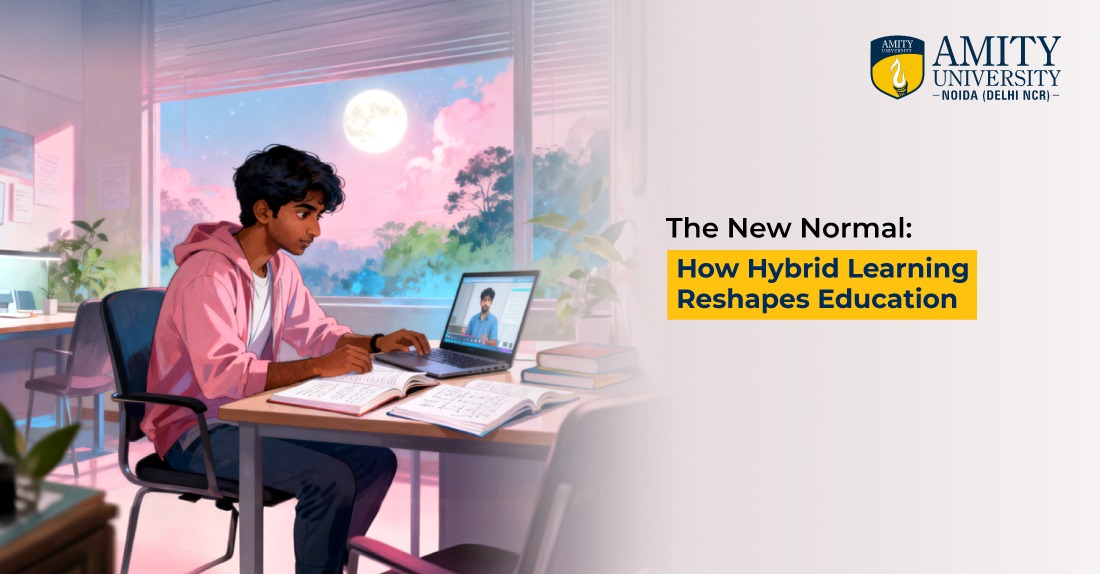
Online learning is convenience redefined. Your home becomes your classroom. No traffic, no dress codes, and yes, unlimited Maggi breaks. But with it comes screen fatigue, technical glitches, and the struggle to stay motivated.
In-person learning, on the other hand, brings energy, engagement, and empathy, from peer bonding to real-time feedback. Yet, it’s not without its hurdles, from long commutes to unpredictable schedules. Hybrid learning merges the best of both, flexibility meets focus, giving learners freedom and structure.
Hybrid Learning @ Skills
Hybrid learning isn’t just about content delivery; it’s about career readiness. It builds digital competence, communication, and collaboration skills that employers value most.
Here’s what it teaches beyond textbooks:
- Multitasking Mastery:– Balancing schedules, classes, and deadlines like a pro.
- Time Zone Flexibility:– Learn from global experts without worrying about AMs and PMs.
- Tech-pertise:– From gamification to simulations, you become fluent in future tools.
- Collaboration Skills:– Whether online or offline, teamwork, leadership, and communication thrive.
The Amity Edge
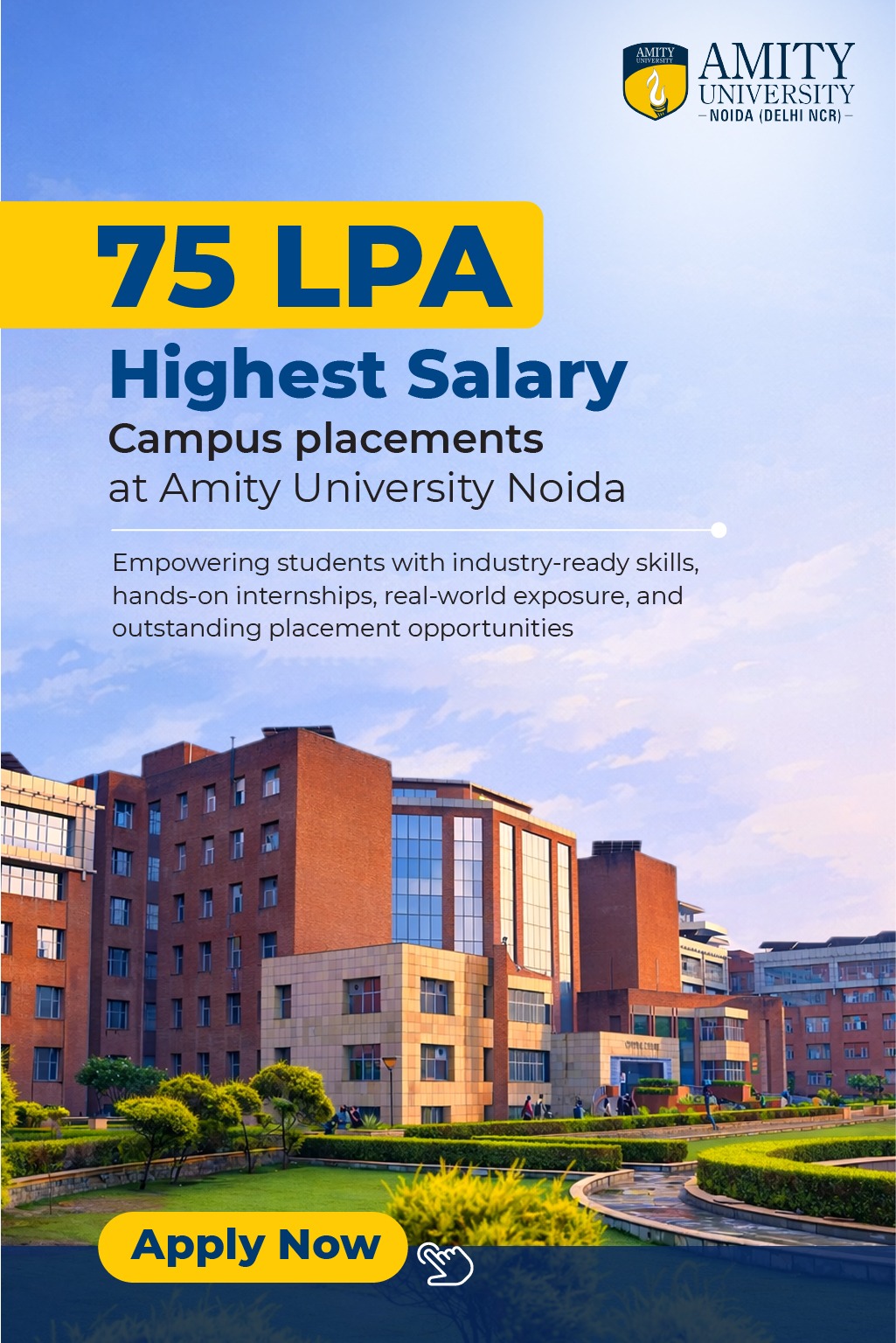
- Enviable Placements:– Record-breaking offers of up to ₹2 crore annually, with over 500 corporate partners, including Fortune 500 companies—highlighting the strength of Amity Noida placement opportunities.
- Ticket to the World Stage:– Global internships and research collaborations with leading organizations and universities.
- Corporate-Relevant Curriculum:– Every course is designed with industry inputs, ensuring graduates are job-ready for tomorrow’s workforce.
- Global Exposure:– International programs in the US, UK, and beyond empower students to think and compete globally.
Conclusion
Hybrid learning isn’t just a classroom model; it’s a career catalyst. It’s already redefining how industries train, collaborate, and innovate. Beyond 2025, hybrid learning won’t be a choice; it will be the standard. Flexible. Inclusive. Future-ready. Because the future of education isn’t online or offline, it’s limitless.