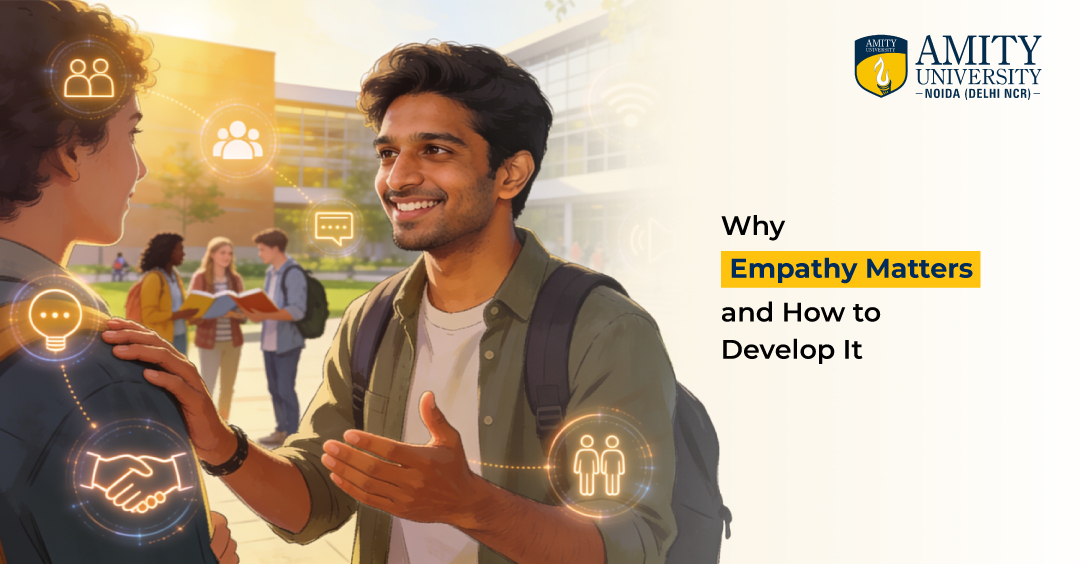
Did you know that empathy can open closed doors at workplace? It also improves work culture, increases productivity and genuinely understands the needs of others. What’s more if the leadership is empathetic then AI adoption becomes faster and easier. Therefore empathy is no longer a soft skill. Going by recent studies, it’s the road to success.
What the Numbers Say, As Per Studies Worldwide
-
Annually, depression and anxiety now cost the global workforce 12 billion working days.
-
Only 23% of employees still feel genuinely engaged in their work.
-
55% of leaders overestimate how empathetic they are at work.
How Empathy Drives Workplaces
-
98% Score when it comes to employee retention and talent acquisition
-
Customer loyalty gets boosted by 82 %
-
Engagement and morale gets boosted by 93%
How to Develop Empathy
- Understanding: Walking into other people’s shoes really helps in understanding their experiences, perspectives and opens the mind to diverse viewpoints.
- Active listening skills: People are willing to bare their souls to someone who lends an ear. They feel validated, valued and recognised, when heard. This skill involves being fully focused, being non-judgemental, refraining from giving advice, noticing non-verbal cues, making eye contact and asking questions to get more responses.
- Positive body language: Has a lasting impact. This includes making eye contact, nodding, leaning in, uncrossed arms, a genuine smile. These non-verbal cues encourage trust, confidence, collaboration and cements bonds.
- Support: Stepping in to help someone for an assignment or project they’ve been struggling with really helps in cementing trust and fostering a stronger bond.
- Conflict Management: This includes everything from handling huge egos, ensuring better communication, accountability to constructively resolving disagreements.
- Flexibility: Being open to different ideas and thinking fosters cohesion and collaboration, while thinking on one’s feet helps deal with unforeseen challenges and any changes.
Amity Institute of Behavioural and Allied Sciences (AIBAS)
AIBAS provides practical training to students to enhance theoretical concepts and professional expertise in Psychology and Behavioural Science. The academic activities entail teaching and learning, research and industrial consultancy.
The academic training and innovative pedagogy enable students to work in a broad range of settings and profiles, including hospitals, industry, consultancy, research centre, counselling, private practice, academic writing, educational institutes, corporate, wellness centres and so on.
Equipped with relevant knowledge, skills and training, the AIBAS graduates, post graduates and researchers are actively engaged in various industry domains and contribute towards development and nation building. The institute runs undergraduate, postgraduate and doctoral programmes.
The Amity Differentiator
- Learning the language of Industry: Industry aligned curriculums that keep you ahead on trends, futuristic skills and roles.
- Nailing Job interviews: From power dressing to body language, verbal communication to creating resumes with a ‘wow’ factor are some of the highlights here.
- Expert Speak: Students are mentored on career focused communication and provide support for placements via a series of initiatives. These include workshops on public speaking, presentation, formal communication, behavioural communication and interaction with top industry experts.
- Mastering Soft Skills: Students get insights into leadership , conflict-management, dealing with unforeseen challenges, and becoming a team player through a series of counselling sessions and hands-on learning. Empathy, owing success and failure, peer support, goal-setting, critical thinking and collaboration are some key skills that shape Amity changemakers.
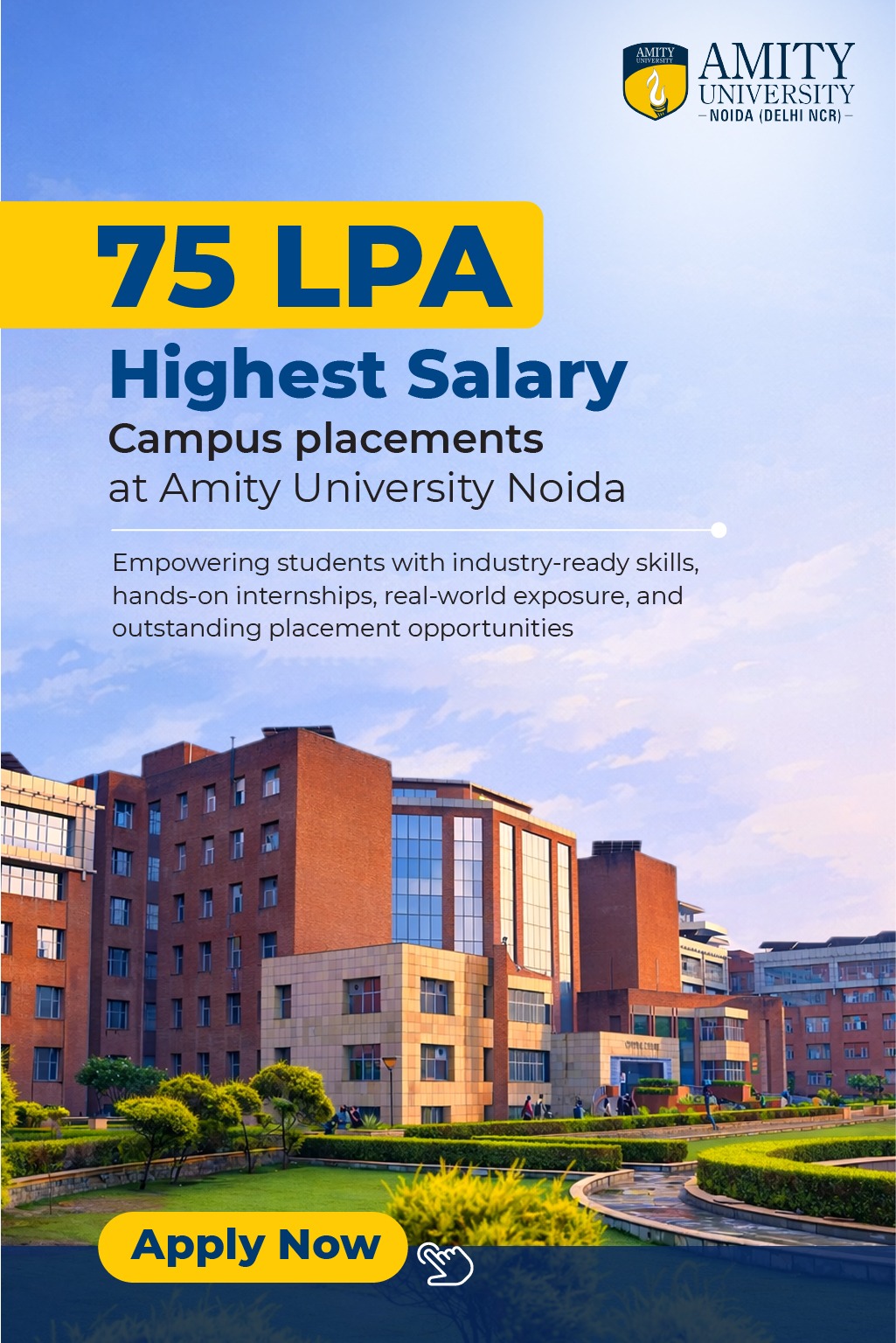
- Placement Cell: Amity’s placements create benchmarks every year from garnering over Rs 5 crore annual job package to placement in 500 corporates in campus recruitment.
Conclusion
Empathy is about being human, while embracing diverse people and perspectives. Ready to begin?