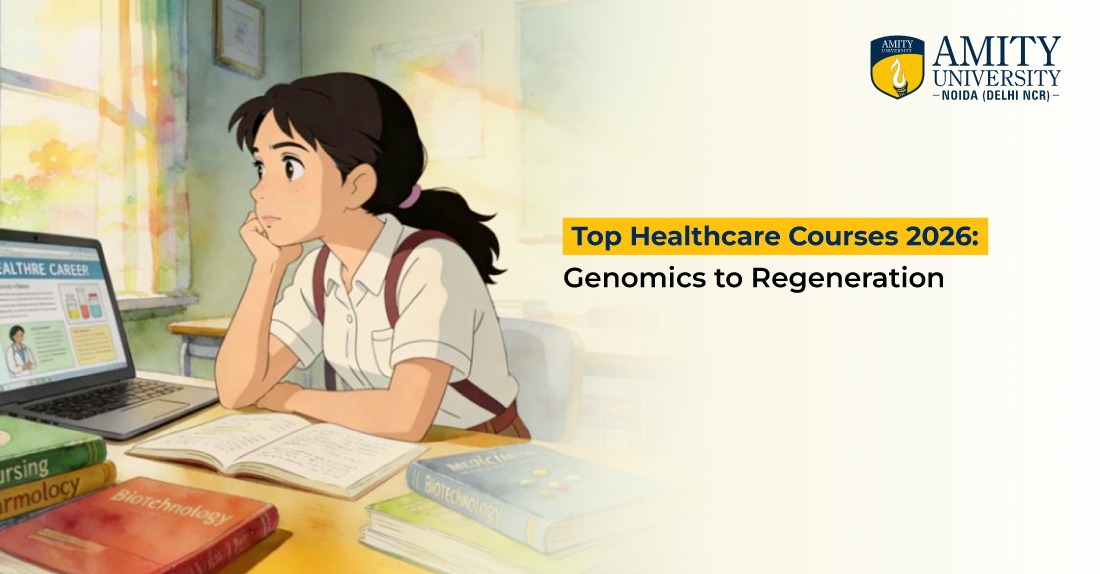
Who would have thought that people over the age of 80 will outnumber infants by mid 2030s? It’s definitely happening for the first time in history, says the World Economic Forum (WEF). This means healthcare and regenerative medicine fronts have to be super-efficient and state-of-the-art. Don’t be surprised if heart damage, age related decline and genetic disorders are fully reversible in the future.
Regenerative medicine isn’t about healing, but rebuilding. It’s the meeting point of technology and biology. It’s not just shaping lives, but creating new careers too.
Why is Regenerative Medicine a Priority?
By 2050, the number of over-60s worldwide is expected to double to reach 2.1 billion, while the over-80s are set to outnumber infants by the mid-2030s. This has made regenerative medicine even more vital as lifespan and healthcare increase.
Besides it creates a better chance at longevity and provides transformative medical breakthroughs.
Top trends transforming Regenerative Medicine
- AI Application- Treatment planning, research and diagnostics are being enhanced because of AI integration.
- Gene Therapy Advancements- Deadly diseases like cancer and genetic disorders are being tackled thanks to progress gene therapies like CRISPR which allow genetic edits.
- Biomaterials- Specially designed materials or natural synthetic substances to speed up tissue repair, diagnostics or augmenting functions.
- Applications in Dermatology and Aesthetics- From skin regeneration to anti-ageing solutions, this is paving the way for the future.
- Scaling up 3D Bioprinting- This is allowing functional transplants because of fabricating organs and tissue structures.
- Personalised Medicines- Are providing precision treatment and therapies thus becoming more effective and impactful.
MSc. Stem Cell and Regenerative Biology
This course is offered at the Amity Institute of Molecular Medicine & Stem Cell Research. It is a comprehensive program designed for those passionate about cutting-edge biomedical research. The curriculum includes core subjects such as Gene Expression & Regulation, Bio-organic Chemistry, and Human Pathophysiology, providing in-depth knowledge in stem cell biology.
This stem cell biology master's program equips students with the skills needed to advance in careers in biomedical research. With an emphasis on practical experience and interdisciplinary learning, graduates are prepared to contribute to innovative research in regenerative medicine, molecular biology, and the treatment of human diseases.
Eligibility
Bachelor's degree in Biomedical Sciences/ Molecular biology/Biotechnology/Microbiology/ Biochemistry/ Physiology/Genetics/Molecular Medicine /Chemistry/ Pharmacy and allied subjects (min 60%) or MBBS/BDS (min. 50%) & 10+2 (min 60%).
New-Age Careers
- Regenerative Medicine Consultant- Advises medical institutions like hospitals, businesses and investors on technologies, market trends and advancements in this field.
- Tissue Engineer- Designs and prints 3D tissues to facilitate transplants.
- CRISPR and Gene Editing Specialist- Uses advanced gene editing tools for personalised medicine, disease modelling and also targeted therapies.
- Biotechnology Specialist- Develops and commercialises stem cell products for companies.
Other Careers
Policy and Ethics Advisor in Regenerative Medicine
Research Scientist
Clinical Research Associate
Industry/ Academic Educator
Regulatory Affairs Specialist
Amity Edge
- Ticket to the world stage: Whether you’re aiming to be an insights researcher or a data miner, Amity provides internship opportunities with top industry giants and research projects.
- Toolkit for a Byte Hero: Students are encouraged to have a design thinking mindset by unearthing every possible solution or innovation to tackle real-world challenges through industry-live projects.
- Innovation Playground: Amity’s labs are equipped with globally competitive machines and technology. You will also learn in-demand skills like leadership, teamwork, risk taking, risk management, agility and flexibility.
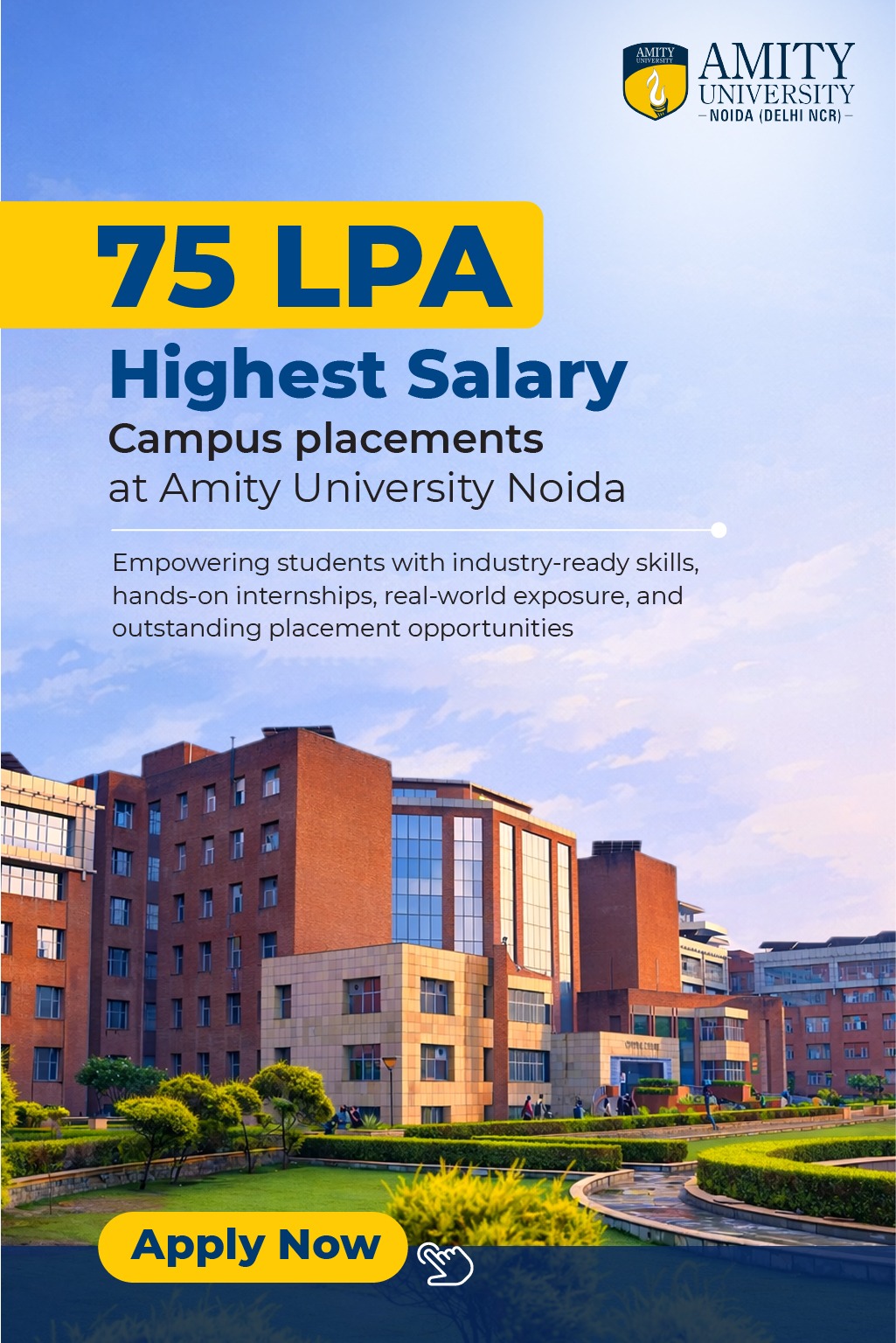
- Placements: Amity Noida's placements create benchmarks every year from garnering Rs 2 crore annual job package to placement in 500 corporates in campus recruitment including top Fortune 500 employers.
Conclusion
Regenerative Medicine is a critical stepping stone to health, better healthcare systems and a promising future, one cell at a time.
FAQs
1. How can I strengthen my qualification with MSc. Stem Cell and Regenerative Biology?
Develop computational skills, gain industry experience, map markets and master advanced technologies. Ensure you keep your skills relevant by attending workshops, seminars and frequent upgrades
2. What is the average salary after an MSc. Stem Cell and Regenerative Biology?
Depending on the role, the salary can range from Rs 6 LPA 12 LPA and scale up with more work experience.
3. Which core subjects are covered in this course?
The subjects include The curriculum includes core subjects such as Gene Expression & Regulation, Bio-organic Chemistry, and Human Pathophysiology, providing in-depth knowledge in stem cell biology.
4. What are the industries in which I can find roles?
Opportunities exist in academic institutions, pharmaceutical companies, healthcare facilities, and biotech firms, where innovations in regenerative medicine are rapidly evolving.
5. What are the essential soft skills I will learn?
These skills include—Research, collaboration, presentation and public speaking, communication, adaptability, agility etc.