
The Secret to Career Success: A Step-by-Step Guide to Continuous Learning
31-12-2025

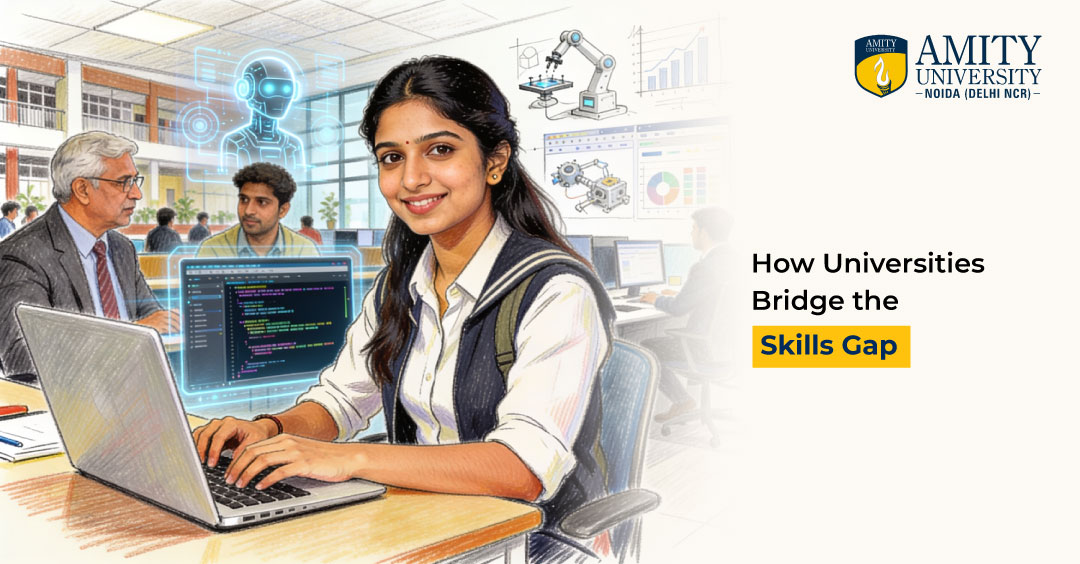
The link between education and jobs is changing. Now, students need more than just a book; they must be adaptable, tech-savvy, and great problem solvers. Industries are evolving due to digital innovations, automation, AI, sustainability, and international teamwork. Because of this, colleges can now play a big part in getting students ready for their future careers.
Today, universities do way more than teaching. Students gain work exposure, pick up practical skills, and forge important professional ties. They also learn about new career routes. This change helps make learning more relevant to real job needs.
As India moves towards becoming a leading knowledge economy, the importance of universities in connecting what students learn with actual jobs is greater than ever.
Employers today seek candidates who can apply knowledge in practical settings, collaborate across teams, embrace technology, and contribute to innovation from the beginning of their careers.
While academic excellence remains important, organizations increasingly evaluate candidates on factors such as:
Industry-relevant skills
Practical project experience
Communication abilities
Digital literacy
Critical thinking
Leadership potential
Adaptability and resilience
Problem-solving capabilities
This evolution has encouraged universities to redesign educational experiences around employability outcomes rather than academic achievement alone.
The institutions that successfully bridge the gap between education and employment are those that integrate industry exposure throughout the student journey rather than introducing it only during final-year placements.
To boost students' job prospects, colleges should update courses to match what industries need. Tech, health care, finance, media, and other fields are changing fast. Working with big leaders helps schools spot new trends and add them to class material.
Industry-aligned curricula help students develop competencies in areas such as:
Artificial Intelligence
Data Science
Machine Learning
Robotics
Cybersecurity
Cloud Computing
Digital Marketing
Business Analytics
Automation Technologies
Sustainable Development
When academic programmes reflect practical applications, students graduate with stronger confidence and greater readiness for professional roles.
When students put concepts into practice for practical challenges, learning really clicks. Live industry projects let them work on actual business issues, helping them grasp workplace stuff like deadlines, teamwork, and what bosses expect.
Live Industry Projects
Internships and training from companies also add tons of value. These stints introduce students to office cultures and professional settings, showing them how book smarts apply in reality.
Internships and Industry Training
Doing research and working on innovation projects gets students thinking critically and coming up with creative fixes. It's all about diving deep into tricky problems and cooking up smart solutions.
Research and Innovation Opportunities
Having entrepreneurial experiences through startup programs and other initiatives encourages students to dream big, become innovators, and even create jobs.
Entrepreneurial Experiences
All of these activities give students awesome ways to show off their skills, too, not just through grades but through actual projects they can put in a portfolio.
Developing Skills Beyond the Classroom
Employability extends beyond technical expertise. Top professionals mix their deep knowledge with strong soft skills, too. Universities can grow these abilities in structured programmes that highlight:
Effective written and verbal communication remains one of the most sought-after workplace skills across industries.
Leadership opportunities through student clubs, projects, events, and community initiatives help students learn responsibility, teamwork, and decision-making.
Employers value individuals who can analyze situations, evaluate alternatives, and propose practical solutions.
The future of work will continue evolving. Students who develop adaptability are better prepared to navigate changing industries and emerging career opportunities.
Such skills often become key differentiators during recruitment and career advancement.
Industry partnerships play a transformative role in bridging the education-employment gap. Meaningful collaborations between universities and organizations can include:
Guest lectures from industry experts
Corporate mentorship programmes
Joint research initiatives
Industry-sponsored laboratories
Certification programmes
Internship opportunities
Recruitment partnerships
Skill development workshops
These engagements help students gain valuable insights into industry expectations while allowing employers to identify future talent early.
A strong university-industry creates mutual value for students, institutions, and employers alike.
Digital transformation is changing every part of the global economy. To get students ready for today's workplaces, universities need to weave tech into their lessons. Advanced labs, simulations, and virtual learning tools give students hands-on experience with current systems.
It doesn't matter if students are headed for engineering, business, media, healthcare, or research, because being digitally fluent is now a must-have skill. When universities let students experiment with technology, those students can stay competitive in industries that depend more and more on tech every day.
Career support services have evolved into strategic components of higher education. Modern career centres contribute significantly by offering:
Career counselling
Resume development
Interview preparation
Industry mentoring
Networking opportunities
Placement assistance
Career assessment tools
Professional development workshops
Students who receive structured career guidance often make more informed decisions about internships, specialisations, higher studies, and long-term professional goals. Effective career services help students transition smoothly from campus to corporate environments.
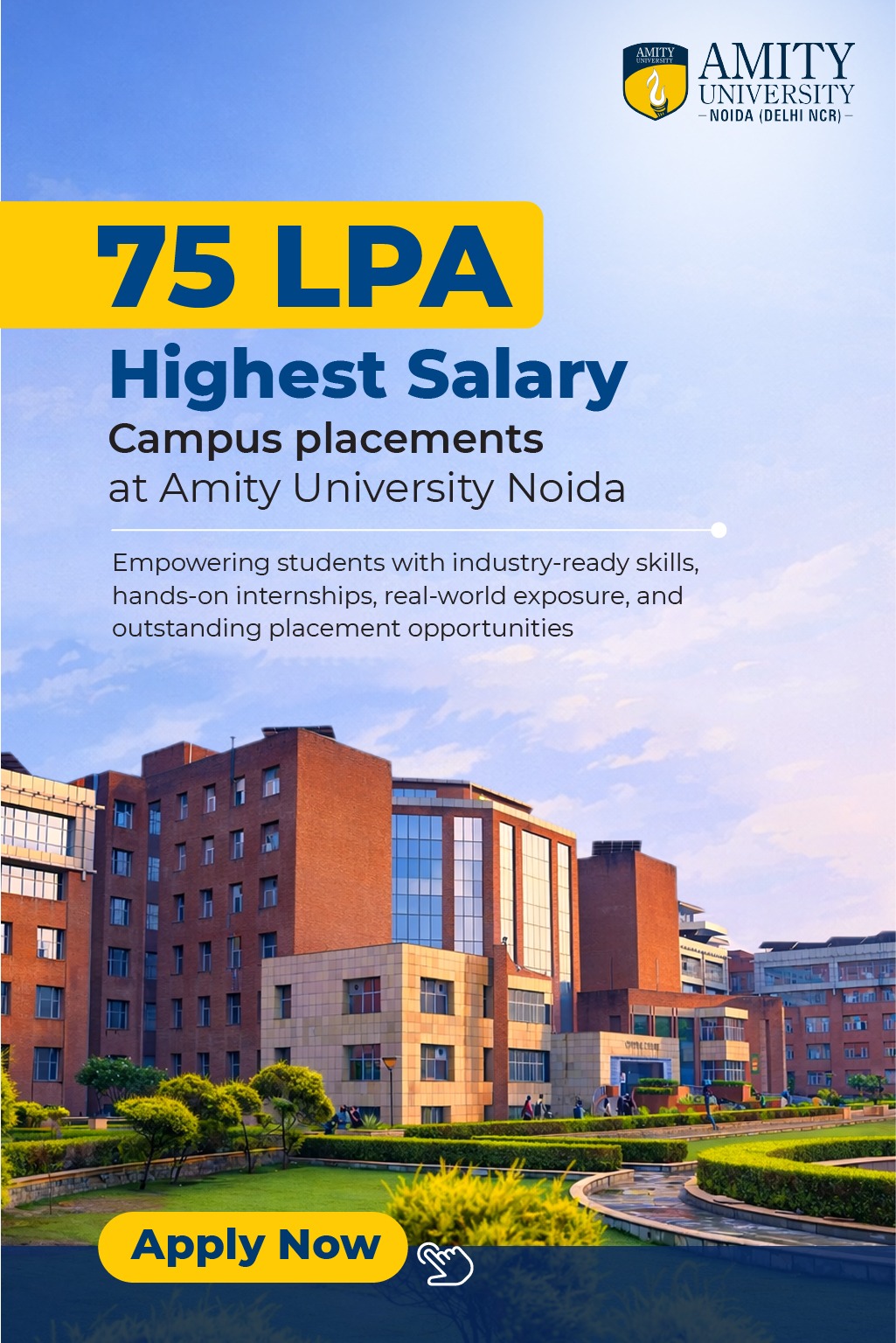
Universities that combine education and job skills usually do a great job by mixing top grades with real-world experience. Amity University Noida is a great example of this. They link up with businesses, boost innovation, and research while also pushing students towards starting their own ventures and getting ready for the job market.
Students can connect what they learn in class to real life through internships, industry projects, and lab work. Plus, the university helps them use practical thinking and other modern methods to tackle today's problems and build up those important job skills.
Amity University, Noida has some amazing tech programs too, like B.Tech Computer Science & Engineering, B.Tech Mechatronics, and B.Tech Computer Science & Engineering (Data Science). These courses follow the latest industry needs and tech trends, including AI, machine learning, robotics, automation, cybersecurity, and data analysis.
The university doesn't stop there. They keep students ahead of the curve with special innovation zones, chances to study abroad, and loads of meet-ups with industry professionals. And let's not forget their super-active job placement office, which has ties with big-name firms. It all shows how committed Amity is to making sure its grads find great jobs in exciting places.
The future of higher education depends on how well it sets students up for success in their careers. Schools that combine top-notch academics with practical experience, tech training, and industry connections are churning out graduates who can hit the ground running. It's not just about getting a job; it's about equipping people to innovate, take charge, adjust, and succeed in a constantly shifting landscape.
Universities that focus on making students more employable will be key in molding the workforce of the future, as industries keep transforming.



Amity University Noida's Official Blog: Your Destination for Career Guidance, Course Insights, Rankings, and Expert Tips for a Future Full of Possibilities.
Contact us: admissions@amity.co.in