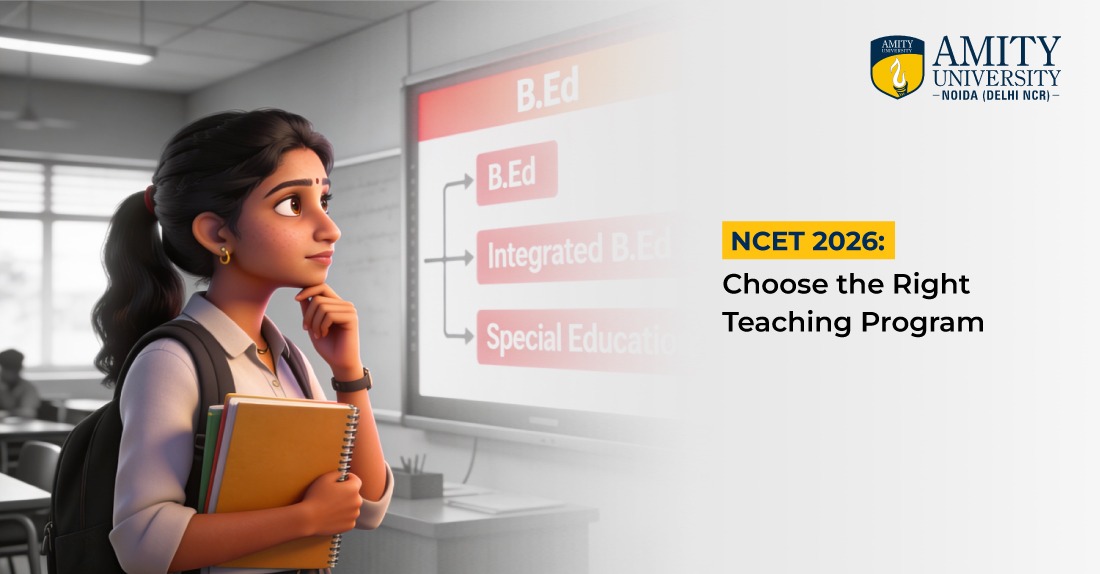
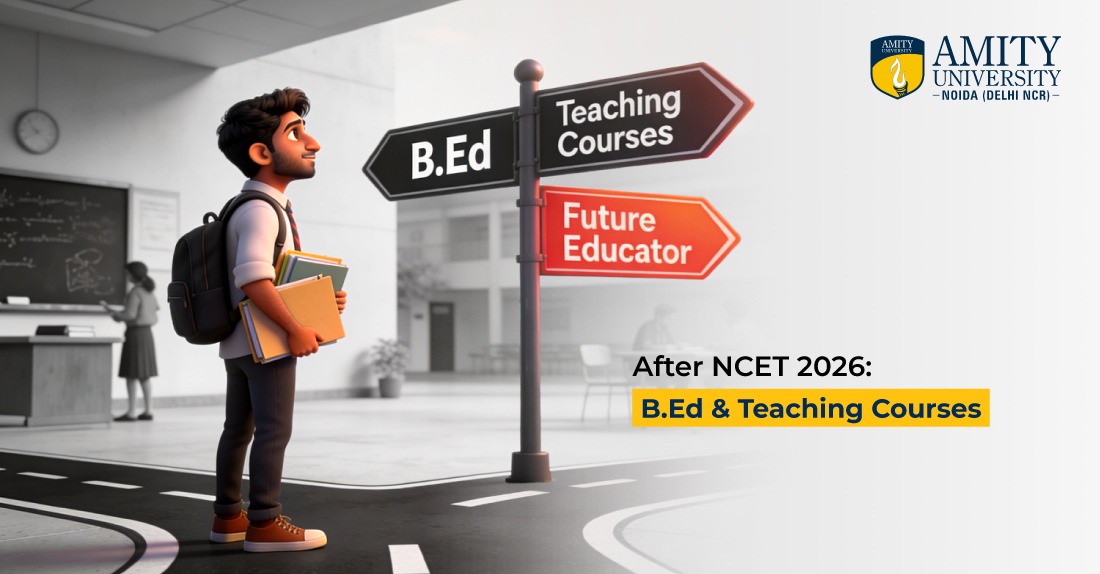
Choosing the right path for NCET 2026 teaching careers can feel confusing at first, especially with multiple teacher training formats now available under NEP 2020. The good part is that NCET is not just an entrance exam. It is also a starting point for understanding where you fit best in the education sector. Some students enjoy working with young children, while others prefer teaching senior classes, specialised subjects, or even digital learning platforms.
The right programme depends on your career goals, subject strengths, and the type of classroom environment you see yourself in a few years from now.
What NCET 2026 Actually Helps You Do
NCET mainly supports admission into Integrated Teacher Education Programmes, commonly called ITEP. These courses combine subject learning with professional teacher training from the beginning.
Students appearing for the exam should remember a simple thing. NCET opens opportunities, but counselling choices, eligibility, and long-term interests matter just as much. One of the biggest decisions after NCET is choosing between integrated and standalone formats. Both work well, but they suit different learners.
Here is what NCET can lead you to:
- Four-year integrated teacher education programmes
- Subject-specific teaching pathways in arts, science, or languages
- Preparation for future CTET and government teaching eligibility
- Career routes in school education, EdTech, and academic support services
- Understanding Integrated and Standalone Programmes
Integrated Programmes
Integrated programmes combine graduation and teacher training together. Students complete both within four years after Class 12.
These programmes are suitable for students who are already certain about entering teaching careers. Key advantages include:
- Early classroom exposure
- Continuous pedagogy training
- Better alignment with NEP 2020 reforms
- Strong preparation for school teaching roles
Standalone Teacher Training Courses
These options are ideal for students who plan to teach later or want flexibility before committing fully. Some common routes include:
- B.Ed after BA, B.Sc, or equivalent degree
- B.El.Ed focused on primary and elementary teaching
- Subject-specific teaching pathways for secondary education
Choosing Courses Based on Career Goals
When planning NCET 2026 teaching careers, students should think beyond just course names. The more important question is where you want to teach and which age group matches your personality.
If You Enjoy Working with Young Children
A primary or elementary education route may suit you better. Good options include:
- B.El.Ed programmes
- Foundational stage teaching pathways
- Early childhood and elementary education specialisations
If You Prefer Subject Expertise
Students interested in mathematics, science, English, or social sciences may benefit from an integrated BA B.Ed or B.Sc B.Ed formats. These programmes help build:
- Subject mastery
- Classroom teaching techniques
- Curriculum planning skills
- Assessment and communication abilities
Teaching Careers Growing in 2026
The education industry is changing quickly. Schools today expect teachers to understand technology, inclusive learning, and student engagement methods alongside academics. There is also increasing demand for trained educators in private schools and learning platforms across urban regions like Noida. Some fast-growing teaching career options include:
- Digital and hybrid classroom teaching
- STEM education roles
- Inclusive education support
- Academic counselling
- Curriculum development
- EdTech content and training
What to Compare Before Selecting a Programme
An education course should offer more than theory classes. Practical exposure matters a lot in teaching careers.
At
Amity University Noida, programmes like B.Ed and B.El.Ed focuses on practical classroom learning, internships, communication skills, and holistic teacher preparation. The university also provides industry exposure, career support, and a strong academic environment for future educators exploring teacher training courses in India. Before applying, students should check:
- Internship and school training opportunities
- Faculty expertise and classroom exposure
- Industry-aligned curriculum
- Communication and personality development support
- Placement assistance and career guidance
- Teaching labs and digital learning infrastructure
Final Thoughts on NCET 2026 Teaching Careers
The best decisions about NCET 2026 teaching careers come from honestly understanding your interests. Some students thrive in elementary classrooms. Others enjoy specialised secondary teaching or digital education environments. There is no single perfect route for everyone.
Take time to compare programme structures, classroom exposure, and long-term opportunities before applying. A well-chosen education programme can shape not only your career, but also the learning experience of hundreds of future students.
FAQs
1. How do I choose the right education programme after NCET?
Choose based on your preferred age group, subject interest, career goals, and course format.
2. What is the difference between integrated and standalone teacher training?
Integrated programmes combine graduation and teacher education together, while standalone B.Ed courses are pursued after graduation.
3. Which teaching careers are growing in 2026?
EdTech, STEM teaching, inclusive education, academic counselling, and digital learning roles are growing rapidly.
4. Should I pick a course based on grade level or specialisation?
Ideally, consider both. Your comfort with specific age groups and subjects should guide the decision.
5. How important is practical classroom exposure?
It is extremely important because internships and teaching practice help students develop confidence and real classroom management skills.