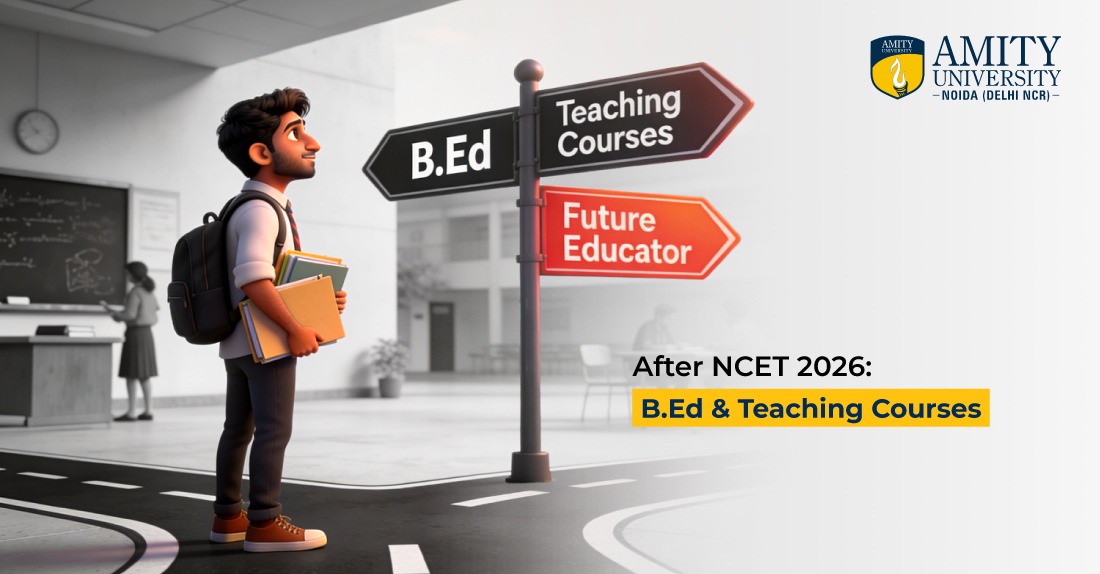
If you are wondering after ncet 2026 what next, the short answer is simple. Start preparing for counselling, shortlist teacher education programmes carefully, and choose a pathway that actually fits the kind of educator you want to become. A lot of students rush into applications without understanding the difference between integrated teaching courses, B.Ed programmes, and elementary education routes. That usually creates confusion later.
NCET 2026 is not the finish line. It is the entry point into modern teacher education under the National Education Policy framework. What you choose next can shape the age group you teach, the subjects you specialise in, and even the type of schools you work with in the future.
Understanding How NCET Fits Into Teacher Education
The NCET examination supports admissions into integrated teacher education programmes across universities in India. After results are announced, students move into counselling rounds, choice filling, and document verification. Students planning a long-term career in teaching after class 12 should think beyond entrance scores and focus on teaching style, classroom interests, and child engagement. Most candidates now explore:
- Four-year integrated teacher programmes
- Traditional B.Ed routes
- Elementary education pathways
- Subject-focused teaching degrees
B.Ed, B.El.Ed and Integrated Routes Explained
Many students hear these course names repeatedly but are not always clear about what each one actually prepares them for. At Amity University Noida, the
B.Ed programme includes subjects like childhood development, language across curriculum, communication skills, and school internship training.
B.Ed Programme
A B.Ed course is generally pursued after graduation. It focuses on teaching methods, classroom management, curriculum understanding, and practical school internships. This route suits students who:
- Already hold a bachelor’s degree
- Want to teach middle or senior classes
- Prefer a shorter professional teaching qualification
Understanding the B.El.Ed Course
The
B.El.Ed. course is designed for students interested in elementary and primary education. It combines academic learning with child psychology, experiential teaching, communication, and creative classroom methods. The programme also helps students understand emotional and behavioural development, which matters a great deal in early education today. This pathway is often a strong fit for students who:
- Enjoy working with younger children
- Want integrated teacher preparation after Class 12
- Prefer activity-based learning environments
Integrated Teacher Education Programmes
Integrated routes combine subject learning with teacher training from the beginning. Instead of completing graduation first and then pursuing teaching qualifications later, students prepare for both together. For students exploring teacher education courses, integrated formats are becoming increasingly relevant in 2026. These programmes are useful because they offer:
- Early classroom exposure
- Continuous pedagogy training
- Better alignment with NEP 2020 goals
- Structured teaching practice over multiple years
Teaching Careers Are Changing Quickly
The education sector looks very different now compared to even five years ago. Schools increasingly expect teachers to manage digital tools, interactive learning, and inclusive classrooms confidently. Students applying for
b ed admission 2026 must also pay closer attention to internship exposure and practical teaching environments instead of only degree titles. Some emerging opportunities include:
- Foundational literacy teaching
- Digital and blended classrooms
- Special education support
- Educational counselling
- Curriculum development
Exploring Education Courses in Noida
Students looking at education courses in noida often compare programmes based on teaching practice, faculty exposure, and career support rather than just fees or duration.
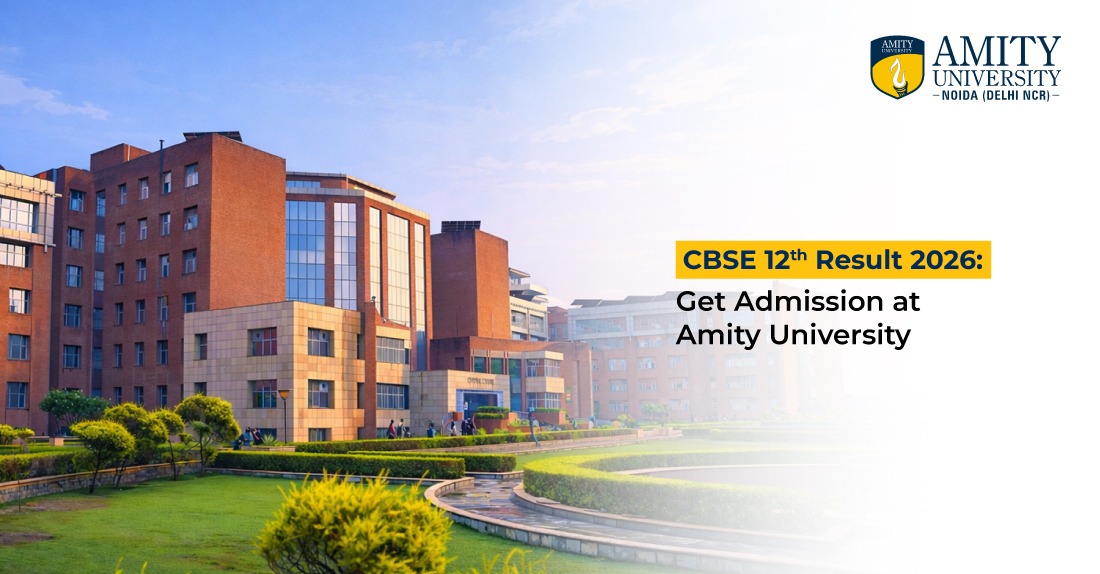
Amity University Noida offers structured teacher education programmes with practical learning components, communication training, and classroom internships. The learning approach focuses on both academic theory and real teaching experience, which becomes important during placements and school interactions later.
Application and Counselling Checklist
Before counselling begins, organise the basics properly. Students should also shortlist multiple programme options instead of depending on a single counselling round. Keep these ready:
- NCET scorecard
- Class 10 and 12 marksheets
- Graduation documents if applicable
- Identity proof and photographs
- Category certificates if required
Conclusion
For students asking after ncet 2026 what next, the best approach is to evaluate your teaching goals carefully before choosing a programme. Whether you pursue a B.Ed, an integrated route, or a B.El.Ed programme, the right decision depends on the learners you want to teach and the type of classroom experience you want to build. Teaching today is no longer limited to textbooks and lectures. It is becoming more creative, technology-driven, and student-focused every year.
FAQs
1. What courses can I pursue after NCET 2026?
You can explore integrated teacher education programmes, B.Ed courses, and elementary education pathways.
2. Is B.Ed the only option after NCET?
No. Students can also pursue integrated teacher education programmes and B.El.Ed courses.
3. What is the difference between B.Ed and B.El.Ed?
B.Ed is usually pursued after graduation, while B.El.Ed is an integrated programme focused on elementary education after Class 12.
4. Can I explore integrated teacher education routes too?
Yes. NCET primarily supports admissions into integrated teacher education programmes.
5. What skills matter most for a teaching career in 2026?
Communication, classroom management, digital teaching ability, empathy, and subject understanding are highly important.