CUET UG 2026: Counselling Process, And How to Choose the Right University
30-06-2026

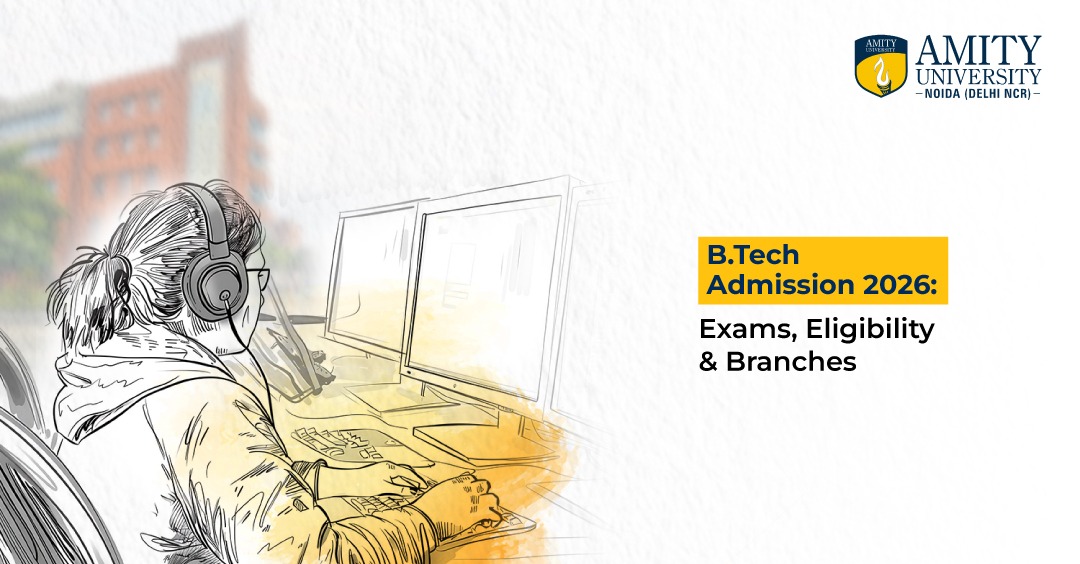
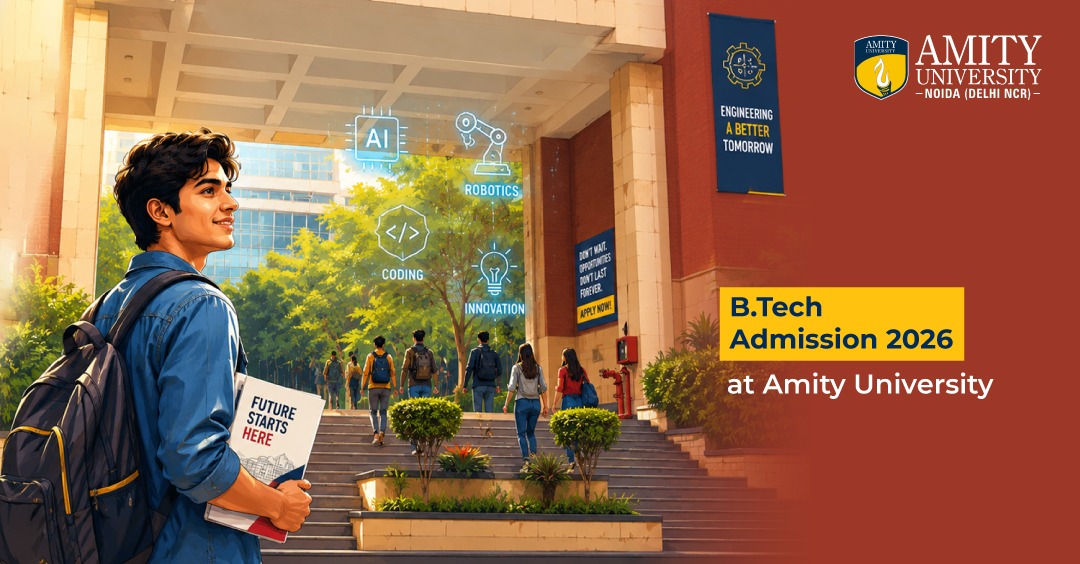
Planning for BTech admission 2026 begins right after Class 12 results for most engineering aspirants. Students from the PCM stream usually apply through entrance exams, board merit, or direct university admission routes, depending on their target institution and preferred engineering branch.
The engineering landscape is changing quickly. Artificial Intelligence, Data Science, Cybersecurity, Electronics, and automation-related fields are seeing strong demand across industries. Choosing the right branch now matters just as much as selecting the right college.
The process for engineering admission 2026 generally follows three major pathways. Some colleges focus heavily on entrance exam scores, while others also consider board marks and direct admission criteria. Many private universities now offer flexible admission pathways for students with strong PCM scores.
JEE Main and other national-level entrance exams
CUET and state engineering entrance tests
University-specific admission processes
Direct admission based on Class 12 performance
Students applying for BTech admission after 12th must meet subject and percentage requirements set by universities and technical institutions.
Completion of Class 12 with Physics, Chemistry, and Mathematics
Minimum aggregate marks ranging from 50% to 75%
English as a compulsory subject in many institutions
Final-year students may apply provisionally
The exact BTech eligibility criteria vary depending on the university, branch demand, and admission category.
Most engineering aspirants prepare for national or state-level entrance examinations. These tests determine admission into engineering colleges across India.
JEE Main 2026
CUET for technical programmes
State-level CET examinations
University-specific engineering tests
JEE Main 2026 will continue to remain one of the primary engineering entrance exams for admission into technical institutions. Students with strong PCM fundamentals generally begin preparation months in advance. Students who do not wish to depend entirely on entrance scores may also consider direct admission routes. The exam typically evaluates:
Physics problem-solving
Chemistry concepts
Mathematics aptitude
Speed and accuracy under time pressure
Branch selection should not be based only on trends or social pressure. Students need to evaluate strengths, interests, career goals, and future industry demand. Demand for BTech CSE admission remains particularly strong because of rapid growth in software, cloud computing, and AI-driven industries.
Computer Science Engineering
Artificial Intelligence and Machine Learning
Electronics and Communication Engineering
Interest in coding and software development- CSE or AI
Interest in electronics and hardware- ECE
Interest in machines and manufacturing- Mechanical
Interest in infrastructure and construction- Civil
Engineering education costs vary depending on institution type, infrastructure, and specialisation. Typical BTech fees can range from moderate to premium depending on facilities and placement exposure. Students should compare return on investment instead of focusing only on fee structure Important Financial Factors:
Tuition fees and hostel charges
Scholarship opportunities
Education loan support
Internship and placement assistance
Engineering graduates continue to see opportunities across technology, manufacturing, infrastructure, analytics, and research sectors. The best engineering courses after 12th are usually the ones aligned with both market demand and individual aptitude. Career Areas After B.Tech
Software development
Artificial Intelligence and Machine Learning
Embedded systems and electronics
Robotics and automation
Construction and infrastructure
Students exploring Amity Noida BTech programmes often look for practical learning, industry exposure, and flexible admission pathways. The university offers engineering specialisations in Computer Science, AI, Data Science, Electronics, and other emerging technology areas. Key Highlights:
Modern labs and technical infrastructure
Industry-oriented curriculum
Placement-focused training
Scholarship opportunities
Direct admission options for eligible students
The process of BTech admission 2026 requires careful planning around entrance exams, branch selection, career goals, and budget. Students should compare course content, placement support, specialisations, and industry exposure before making a final decision. A well-chosen engineering programme can open pathways into some of the fastest-growing industries in India and globally.


Amity University Noida's Official Blog: Your Destination for Career Guidance, Course Insights, Rankings, and Expert Tips for a Future Full of Possibilities.
Contact us: admissions@amity.co.in