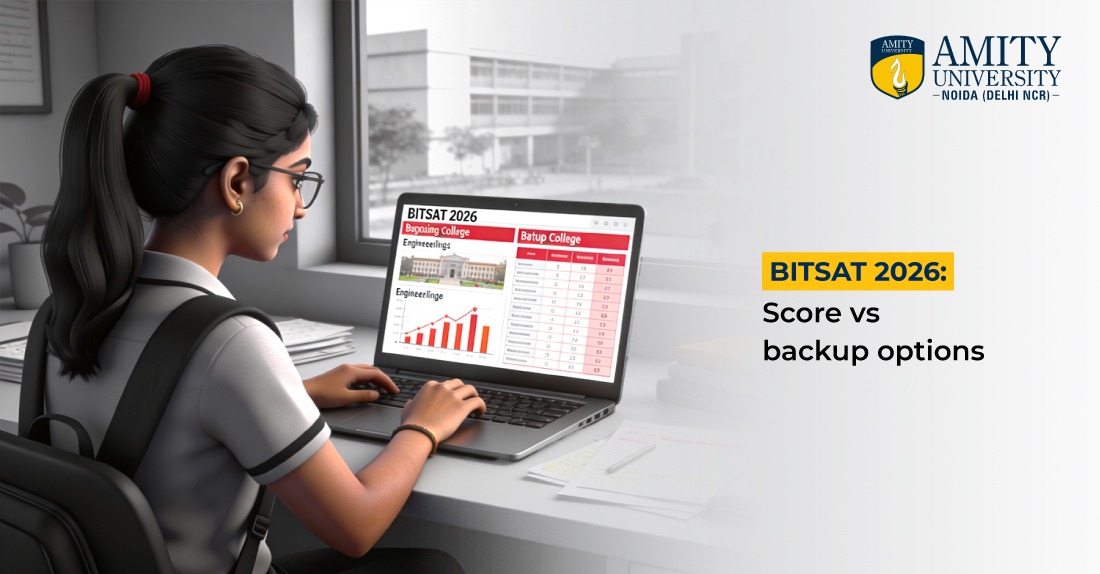
Understanding the BITSAT Score vs colleges 2026 is less about chasing a single number and more about building options around it. Your score gives direction, not certainty. Seats, branches, and deadlines shift quickly. A smart backup list keeps you prepared, not reactive.
Quick Answer: How to Build a Backup List from Your Score OutlookBITSAT Score vs B.Tech Options in 2026: How to Build a Smart Engineering Backup Lis
Start by mapping your expected score range to realistic college and branch options. Then spread your choices across ambition levels. Do not wait for perfect clarity. Build early and refine it later. You can try a simple yet layered structure, which helps you reduce risk without limiting ambition.
A simple starting structure
- 3 dream options based on high score expectations
- 5 match options aligned with realistic performance
- 5 to 7 backup options that secure admission
Why Score Alone Cannot Decide Your Engineering Path
BITSAT Scores matter, but they do not define your long-term outcome. Many students focus only on cut-offs and miss the bigger picture. A strong career often depends on what you build during the degree, not just where you start.
What your score does and does not do
- Helps predict campus and branch possibilities
- Does not guarantee placements, internships, or exposure
- Does not reflect skill development or industry readiness
Building Your List: Dream, Match and Backup Options
Building your list of colleges based on your dream, match and backup options is where the BITSAT Score vs colleges 2026 comparison becomes practical. You translate numbers into decisions. Students who prepare this list early move faster during counselling.
Score-based grouping example
- Dream: 350+ range, top Computer Science branches
- Match: 280 to 350 range, core branches across campuses
- Backup: Below 280, flexible entry options through private universities
How to shortlist effectively
- Use past cut-offs as reference, not fixed rules
- Prioritise branch over brand if your goal is specific
- Keep at least 10 to 15 total options ready
What to Compare Beyond Score and Rank
Once your shortlist is ready, your focus should shift beyond the score and rank. This is where real differentiation happens. For instance, institutions like Amity University Noida offer strong infrastructure, industry-linked learning, and a wide range of future-ready specialisations. These factors often matter as much as entrance scores.
Key comparison factors
- Course relevance, such as CSE, AI, or emerging tech fields
- Location advantages like metro access and industry exposure
- Internship opportunities and lab infrastructure
- Placement consistency and average salary trends
- Return on investment based on fees versus outcomes
How Deadlines Quietly Reduce Your Choices
Many students underestimate timing. While you wait for results, seats in parallel admission routes start filling. Acting early keeps your choices wider and less stressful.
Common deadline risks
- Missing early application windows for popular branches
- Losing access to Computer Science seats due to delays
- Rushed decisions during counselling due to limited options
Why Parallel Applications Make Sense
High-intent students rarely depend on one exam. They build flexibility into their plan. Universities like
Amity University Noida allow applications based on Class XII performance and entrance scores, making them a practical addition to your engineering backup list.
Benefits of applying in parallel
- Secure at least one confirmed seat early
- Compare offers calmly instead of rushing
- Avoid a gap year if results fall short
Final Backup List Checklist Before Admission Season Moves Faster
Before deadlines tighten, take a moment to organise everything clearly.
Your action checklist
- Estimate your score range using mock tests
- Build a list of 10 to 15 colleges across levels
- Prioritise branch first, then campus
- Track all application deadlines in one place
- Keep documents ready for quick submission
- Be open to updating choices after results
Conclusion
A clear understanding of bitsat score vs colleges 2026 helps you stay ahead of uncertainty. Your score is a starting point, not a final answer. Build a balanced
engineering backup list, keep applications active, and focus on long-term outcomes rather than short-term rankings. The goal is not just admission, but a pathway that supports your growth.
FAQs
1. How do I build a backup list from my BITSAT score outlook?
Divide your options into dream, match, and backup categories based on expected score ranges and past cut-offs.
2. Should I wait for all results before applying elsewhere?
No. Apply early to avoid missing deadlines and losing preferred branches.
3. What factors matter most beyond the score?
Placements, course relevance, location, infrastructure, and long-term career opportunities.
4. How many backup engineering options should I keep?
Aim for 10 to 15 options across different levels to stay flexible.
5. Which B.Tech fields are seeing stronger demand in 2026?
Computer Science, AI, data science, and related technology-driven fields continue to show strong growth.