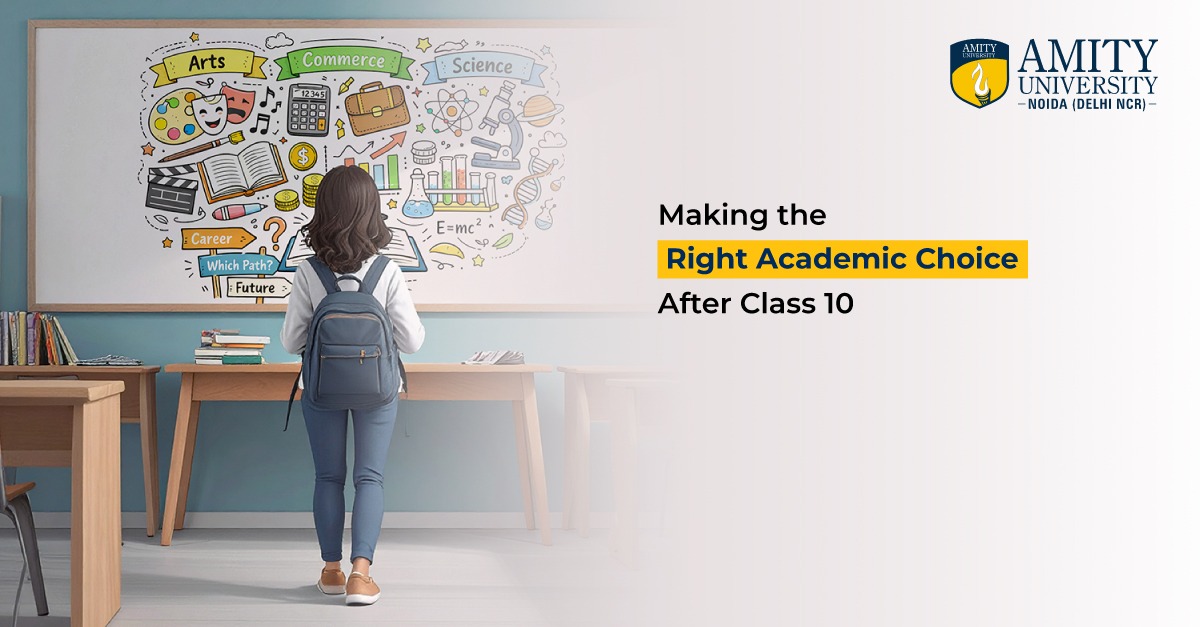
Reaching the end of Class 10 marks one of the first major decision points in a student’s academic journey. Until now, learning has followed a common structure. After Class 10, however, students are expected to choose a direction often without having full clarity about careers, interests, or long-term goals. This phase can feel overwhelming, especially with advice coming from multiple directions. The good news is that Class 10 is not about locking in a career. It is about choosing an academic path that allows learning, exploration, and gradual clarity over time.
Why Decisions After Class 10 Feel So Pressurised
Many students feel they must “get it right” immediately after Class 10. Social expectations, peer choices, and comparisons often add to the pressure. However, academic paths are not rigid roadmaps. Interests evolve, strengths emerge gradually, and exposure plays a key role in shaping direction.
What matters most at this stage is:
- Understanding personal interests and learning styles
- Choosing a stream that keeps multiple options open
- Avoiding decisions based purely on trends or external pressure
Understanding the Main Academic Streams
After Class 10, students typically choose from four broad pathways. Each offers different learning experiences and future possibilities.
Science
Ideal for students interested in analytical thinking, problem-solving, and technical or research-oriented fields. Science provides flexibility across engineering, medicine, pure sciences, technology, and emerging interdisciplinary areas.
Commerce
Suitable for students drawn to business, economics, finance, management, and entrepreneurship. Commerce builds a foundation for professional courses and leadership-oriented careers.
Arts & Humanities
Best for students interested in social sciences, languages, policy, psychology, design, media, and creative disciplines. This stream encourages critical thinking, communication, and perspective-building.
Skill- and Design-Oriented Pathways
For students who prefer hands-on learning, creativity, and applied skills. These paths often combine academics with practical exposure and can lead to specialised higher education options later.
Focusing on Learning Style Over Career Labels
At this stage, it is more helpful to ask:
- Do I enjoy theory or practical learning?
- Do I prefer structured subjects or exploratory learning?
- Am I interested in numbers, people, systems, or creativity?
Answering these questions helps students select streams aligned with how they learn best, rather than choosing based on job titles alone.
The Role of the Right Learning Environment
While stream selection sets direction, the educational environment students eventually enter plays a critical role in shaping confidence and growth. Institutions that offer flexibility, interdisciplinary exposure, and gradual academic progression help students refine interests over time rather than forcing early specialisation.
Universities such as
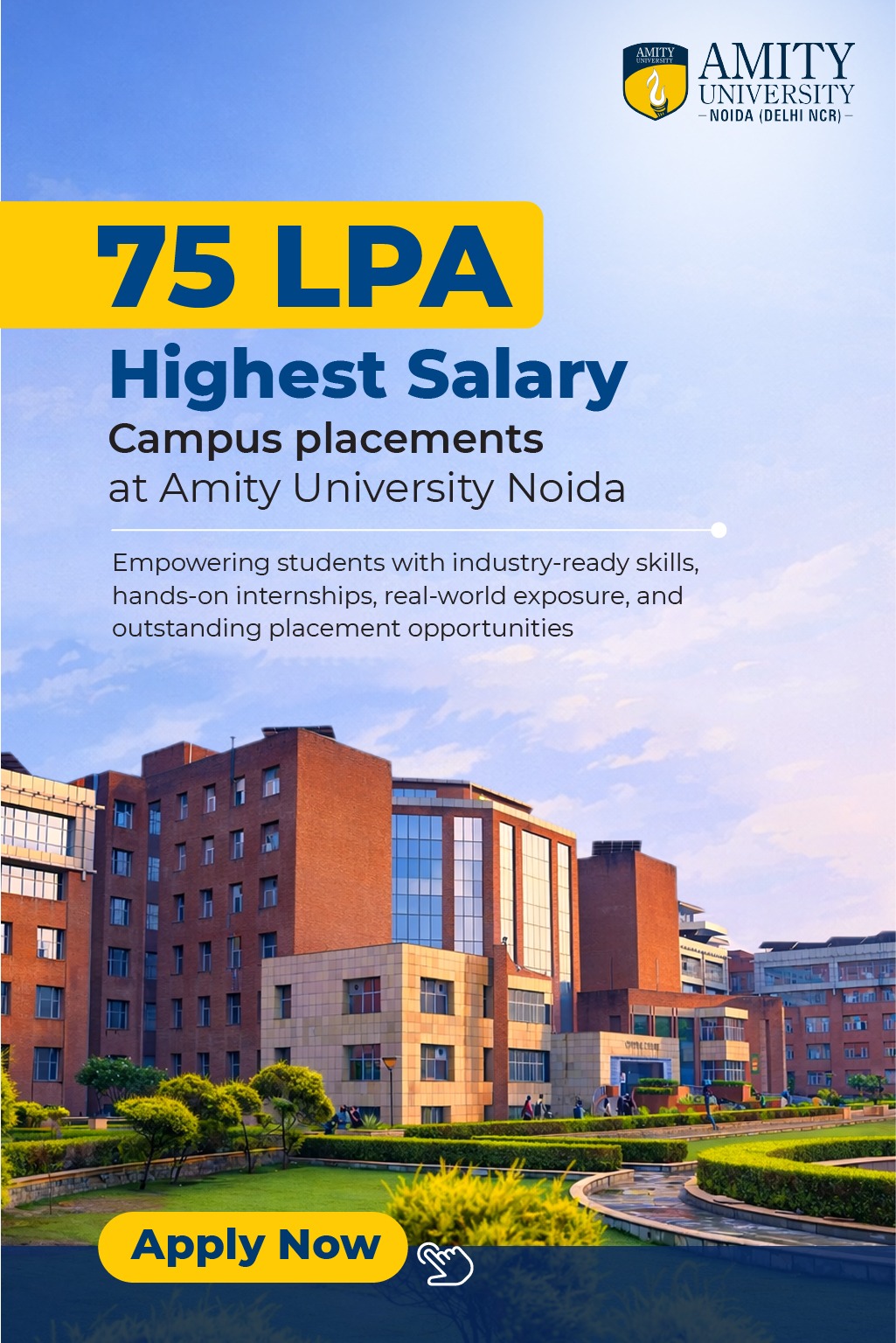
Amity University Noida are structured around this philosophy, bringing together multiple disciplines, skill-based learning, and exposure-driven education. Such ecosystems support students as they transition from school to higher education, allowing clarity to develop naturally as interests evolve.
Allowing Yourself Time to Evolve
One of the most important things students and parents can remember is that careers are built over years, not decided at 15 or 16. The choices made after Class 10 should create room for learning, self-discovery, and informed decisions later. With the right academic foundation and supportive environment, students can adapt, pivot, and grow with confidence.
Conclusion
The journey from Class 10 to future career paths is not about making perfect decisions; it is about making informed, flexible ones. By understanding academic options, recognising personal learning styles, and choosing environments that support exploration, students can move forward without unnecessary pressure. The focus should remain on growth, exposure, and long-term readiness rather than immediate certainty.
FAQs
1. Is Class 10 too early to decide a career path?
Yes. Class 10 is a stage to choose an academic direction, not a final career. Interests and goals often evolve with exposure.
2. How can students choose the right stream after Class 10?
Students should consider their interests, strengths, learning preferences, and comfort with subjects rather than trends or peer choices.
3. Can students change direction later if they choose the wrong stream?
Yes. Many academic pathways allow flexibility, especially when students focus on building strong foundational skills.
4. What role do universities play in shaping career clarity?
Universities that offer interdisciplinary exposure and gradual progression help students refine interests and make informed choices over time.
5. How can parents support students during this phase?
Parents can help by reducing pressure, encouraging exploration, and focusing on long-term growth rather than immediate outcomes.