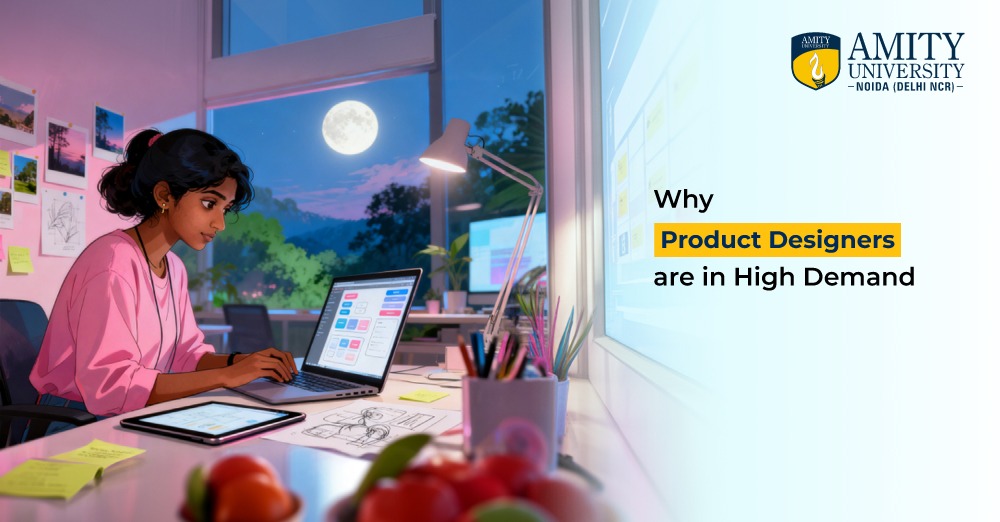
Popular language learning app Duolingo turned its fortunes around, thanks to product design. It gamified the app, resulting in 40% increase in seven-day retention for new learners. Meet the new-age gurus who can turn boring into amazing. These professionals decode user needs and turn them into billions of profit for the industry. Product designers are not just creative artists but craft masters of the future. With emerging technologies and innovations, these professionals are in big demand in the industry for their skills, vision and competencies.
Why is Product Design a Big Deal?
- McKinsey tracked 300 companies and found that those with top design scores achieved 32% faster revenue growth and 56% higher total returns to shareholders compared to typical companies.
- Over half of designers integrate sustainability (52%), while inclusive design boosts usability by up to 30%.
- 94% of first impressions are influenced by design.
Understanding B.Design degree in Product Design
This
B.Des. (Product Design) is a creative undergraduate program focused on developing innovative and functional product solutions. The curriculum covers key areas such as design thinking, materials and manufacturing processes, ergonomics, prototyping, and user-centred design.
Students learn to design products that combine aesthetics, usability, and sustainability, with an emphasis on problem-solving and practical applications. The program incorporates hands-on training, industry projects, and design studio work, preparing graduates for careers in product development, industrial design, and consumer goods.
Eligibility
Candidates must have completed 10+2 with a minimum of 50% marks, preferably in Science, Arts, or Commerce. Admission is based on the university’s entrance exam, which tests creativity, problem-solving, and design aptitude, followed by an interview.
What Makes Product Designers Special
- Rise of New Age Technologies: Like AR/VR are redefining how products are being designed, planned and executed smoothly. They are envisioning future trends and speeding up creativity and innovation.
- Holistic Mindset: Helps craft the ‘Big Picture.’ This means designers are creating products that are having a larger impact and also redefining systems and processes.
- Diverse Skill Sets: Vision, empathy, user research and market trends are diving diverse skills sets. These include creative and analytical mindset, problem-solving, communication, agility, flexibility.
- Multi-Industry Transformation & Collaboration: Thanks to an innovative and mindset, product designers drive brand building and impact in different industries. They are driving industries on unique offerings, ideas and creating identities that have a defining impact for their users. Different sectors and industries are collaborating for a more cohesive profits and impact.
Skills
- UX/UI Design
- Wireframing
- Usability Testing
- User Research
- Accessibility and Interaction Design
- Communication, adaptability, agility
- Design Thinking, problem-solving, critical thinking
- Creative and Analytical Skills
Top Trends
- Biophilic Design: Integration of natural --elements, patterns and textures into design to foster calmness and tranquillity.
- Sustainable Design: From product development to finally delivery, product design will tilt more towards eco-friendly processes.
- Artificial Intelligence (AI): Will continue to shape personalised design and experiences. Greater shifts towards accountability and transparency are expected this years.
New Age Careers
- Sustainability and Ethical Design Specialist: Uses his expertise to fuse eco-friendly designs and ethical practices into product design.
- Conversational Designer: Blends psychology and linguistics to lend voice and assist interactions with chatbots and AI.
- Design Technologist: Uses codes to design interactive experiences with AI and combines principles of design and technology.
Careers
- UX/UI Designer: Integrates interactive elements like badges, buttons to foster user experiences that are enjoyable and seamless.
- Functional Products Designer: Designs physical projects aesthetically for manufacturing.
- Design Strategist: Aligns market trends, user needs and business goals to create a product/offering.
- Interaction Designer: Creates seamless and efficient ways for users to interact with digital products.
- Design Director: Oversees creative projects and leads design teams.
Amity Edge
- Creating Corporate Jedis: We forge trailblazers and leaders by equipping students with best technological, social, life skills and futuristic skills from curricular and immersive learning to ace the corporate arena.
- Master-of-Everything: From spotting opportunities, turning challenges into success, community leadership, raising one’s own business to learning-on-the-go our students are nurtured to be empathetic humans and impactful professionals.
- Innovation Playground: Amity’s labs are equipped with globally competitive machines and technology. You will also learn in-demand skills like leadership, teamwork, risk taking, risk management, agility and flexibility.
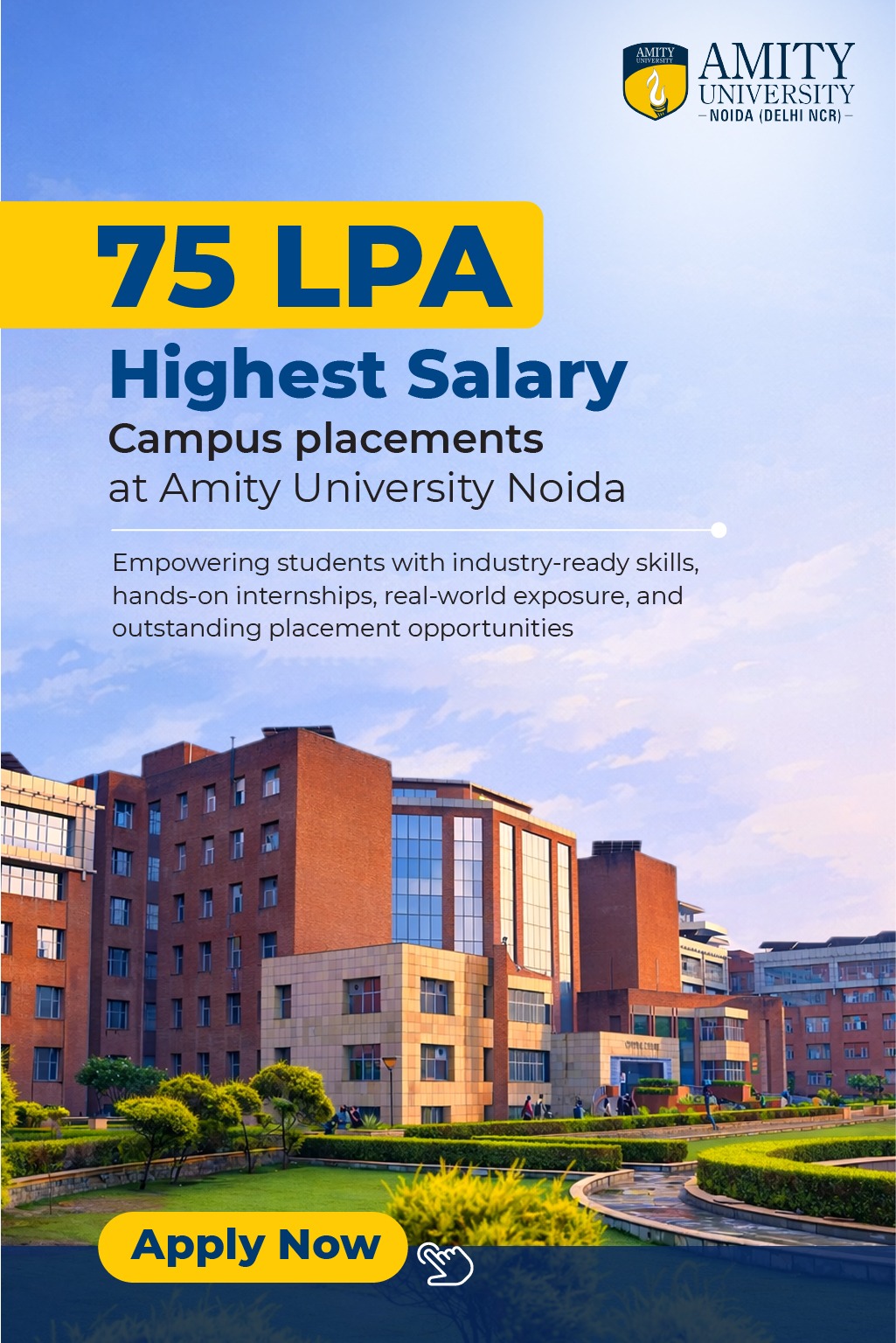
- Placements: Amity University Noida's placements create benchmarks every year from garnering Rs 2 crore annual job package to placement in 500 corporates in campus recruitment including top Fortune 500 employers.
Conclusion
Product Designers are crafting a future that is intuitive, seamless and makes everything possible. Are you on that side?
FAQs
1. What is the difference between Industrial Design and Product Design?
While product design caters to consumers focusing on their ‘user experience’, industrial design is more aligned to functionality and manufacturing of physical products.
2. What is the average salary of a professional with a specialisation in Product Design?
The salary ranges from Rs 2 LPA to Rs 16 LPA and more.
3. What software tools will I learn during the Product Design course?
Besides principles of design, research and application, your technical competencies will include CAD (Computer-Aided Design), materials exploration, sketching & drawing, visualization, prototyping and digital portfolio development.
4. What are the extra-curricular activities for students pursuing this course?
Students are encouraged to compete and participate in exhibitions, design clubs and competitions.
5. Which industries are in sync with product design specialists?
There are many roles in diverse industries like- Automotive, FMCG, Tech Companies and entrepreneurship.