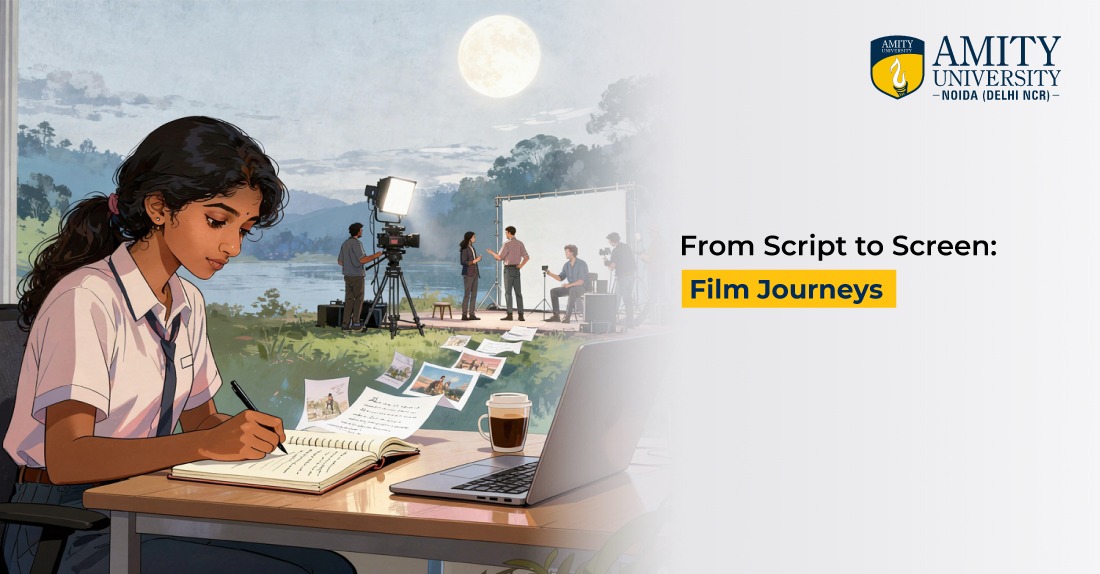
From Script to Screen: How Film Students Bring Stories to Life
31-03-2026

What if your technical expertise wasn’t enough to secure your career? Imagine excelling in coding, analytics, or business strategies, yet being left behind because your communication skills and emotional intelligence were on autopilot. This isn’t a far-fetched scenario. It’s the reality in workplaces everywhere.
The future of work is no longer about only technical know-how. Across India and the globe, organisations are recognising that human-centric skills such as empathy, adaptability skills, problem solving skills, and soft skills are just as critical as traditional tech skills. A British Council report confirms this shift, noting that Gen Z is reshaping workplaces with new perspectives and ideas. The challenge is clear: 70% of business leaders say poor communication remains the biggest soft-skill gap, reinforcing the need for communication skills in future careers.
Meanwhile, technology skills such as AI skills and Big Data continue to dominate headlines. But the real winners in the next decade will be those who combine tech mastery with human intelligence and cognitive depth. A Tech Talent report highlights leadership skills, curiosity, systems thinking, and self-awareness as indispensable future skills. It also predicts that by 2030, networks, cybersecurity, and environmental stewardship will rise among the most in-demand skills, though many organisations don’t yet treat them as essentials.
Workplaces of tomorrow will thrive on a fusion of technical, human, and cognitive skills. Here’s what will matter most in future careers:
Big Data and AI skills – From analysing massive datasets to automating tasks and creating new opportunities, AI-driven tech skills will continue topping charts.
Programming, Networks and Cybersecurity – Building, managing, and protecting digital ecosystems will define every industry.
Technological Literacy and Digital Skills – Comfort with digital platforms ensures agility, smoother workflows, and continuous upgrades in digital literacy.
Leadership and Cross-Cultural Skills – Managing diverse teams with empathy and vision will be non-negotiable parts of future career skills.
Problem-Solving Mindset – Encouraging design thinking and holistic approaches to tackle complex challenges.
Resilience, Agility and Lifelong Learning – Staying curious, experimenting, and adapting quickly will keep careers future-proof.
Empathy and Active Listening – Strong communication skills strengthen teams, customer loyalty, and workplace harmony.
Analytical and Critical Thinking Skills – Interpreting data and evaluating results with objectivity.
Creativity and Innovation – Creativity skills will drive breakthroughs across industries.
Teamwork and Communication – Collaborating effectively and mastering communication skills will remain at the core of skills needed for a job.
Future-ready professionals won’t wait for opportunities to knock. They’ll build themselves constantly. Here’s how you can start:
Join hackathons, coding challenges, and simulations to sharpen technical and problem solving skills.
Take short courses, webinars, and certifications to stay updated on technology skills.
Explore real-world case studies to train your mind for complex challenges and critical thinking skills.
Practice reflective listening, the difference between hearing and truly understanding, to strengthen your need for soft skills.
Build a conflict-resolution mindset, learn to foster trust, and support your peers.
Journal your ideas, feedback, and observations to strengthen communication skills and self-awareness.
At Amity University, preparing students for the future of work is built into the ecosystem. With global exposure, industry-driven curricula, research opportunities, and cutting-edge labs, Amity ensures students master both tech skills and human skills. From international internships and live projects with top industry partners to developing leadership skills, teamwork, and design-thinking abilities, Amity’s students evolve into future-ready leaders.
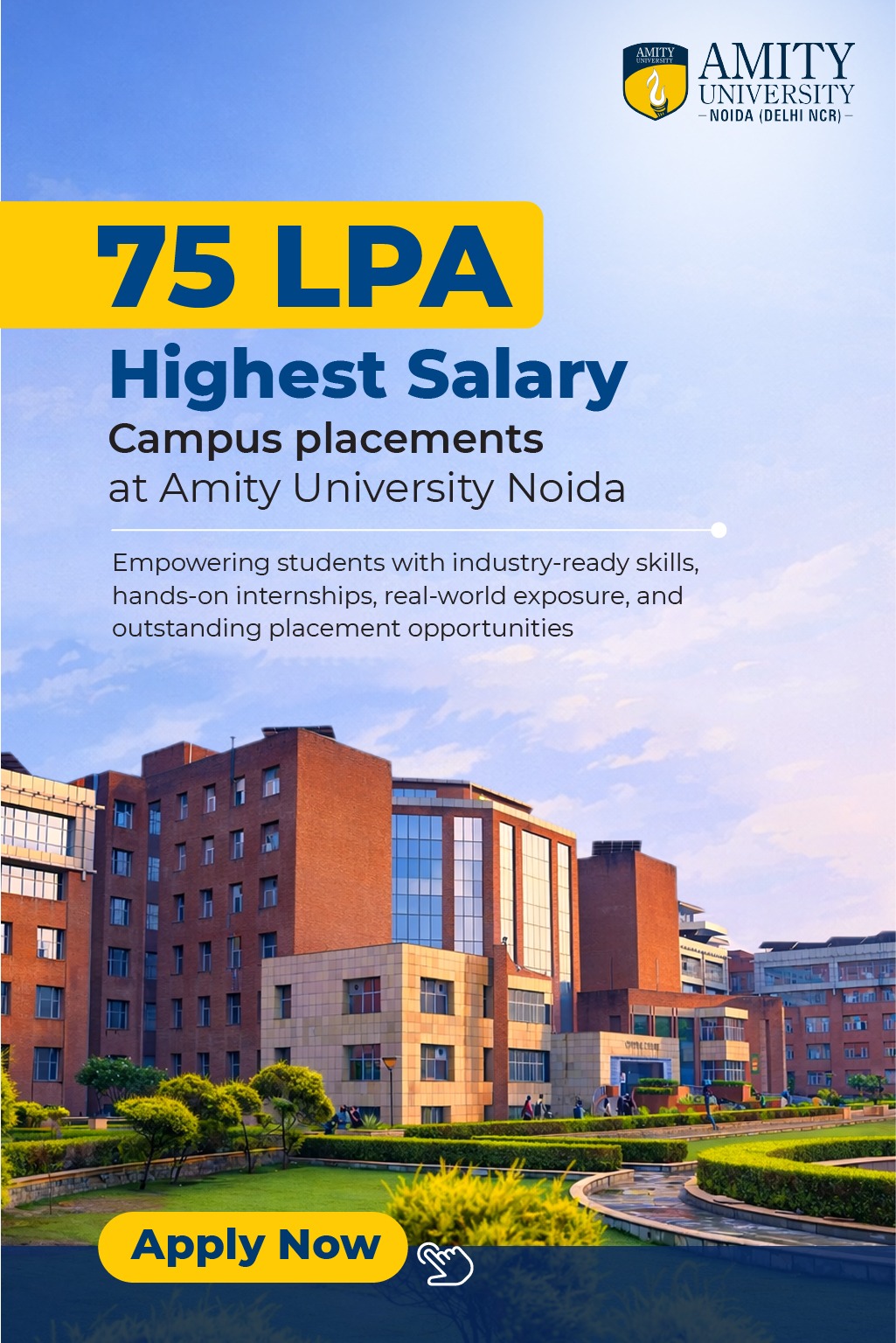
Placements at Amity create benchmarks every year, from multi-crore job offers to Fortune 500 companies recruiting from campus. More importantly, the focus remains on nurturing creativity skills, adaptability skills, and communication skills that help graduates excel anywhere in the world.
Global leaders like Microsoft and others are already proving that people-power matters, constantly creating opportunities for employees to upskill and grow. But the bigger truth is this: the responsibility to remain relevant lies with you. The critical career skills of the future go beyond career growth. They are life skills bridging the gap between humans and machines, logic and empathy, technology and creativity.
So, when it comes to preparing for the jobs of tomorrow, don’t just adapt. Stay ahead. Be the boss of your future.
The future of work will demand a mix of soft skills, communication skills, tech skills, digital literacy, critical thinking skills, and problem solving skills. These career skills will help professionals stay relevant in future careers.
Employers see a growing need for soft skills because they influence teamwork, leadership skills, decision-making, and creativity skills. The need of communication skills is rising as workplaces become more collaborative and global.
AI skills and digital skills are essential for analysing data, automating tasks, and working with modern technology platforms. They are among the most in demand skills needed for a job in almost every industry.
Skills required include adaptability skills, problem solving skills, critical thinking skills, digital literacy, technology skills, and leadership skills. These future skills help employees navigate constant change.
Students can build the skills they need by joining hackathons, improving tech skills, practicing communication skills, taking online courses, exploring case studies, and building creativity skills through projects.


Amity University Noida's Official Blog: Your Destination for Career Guidance, Course Insights, Rankings, and Expert Tips for a Future Full of Possibilities.
Contact us: admissions@amity.co.in