Creativity today is no longer limited to art studios or personal expression; it has become a powerful professional skill. As homes, offices, retail spaces, and public environments evolve, the demand for well-designed, functional, and visually engaging interiors continues to grow. This shift has made the Bachelor of Interior Design an increasingly popular undergraduate choice for students who want to turn creativity into a meaningful career.
What Is a Bachelor of Interior Design?
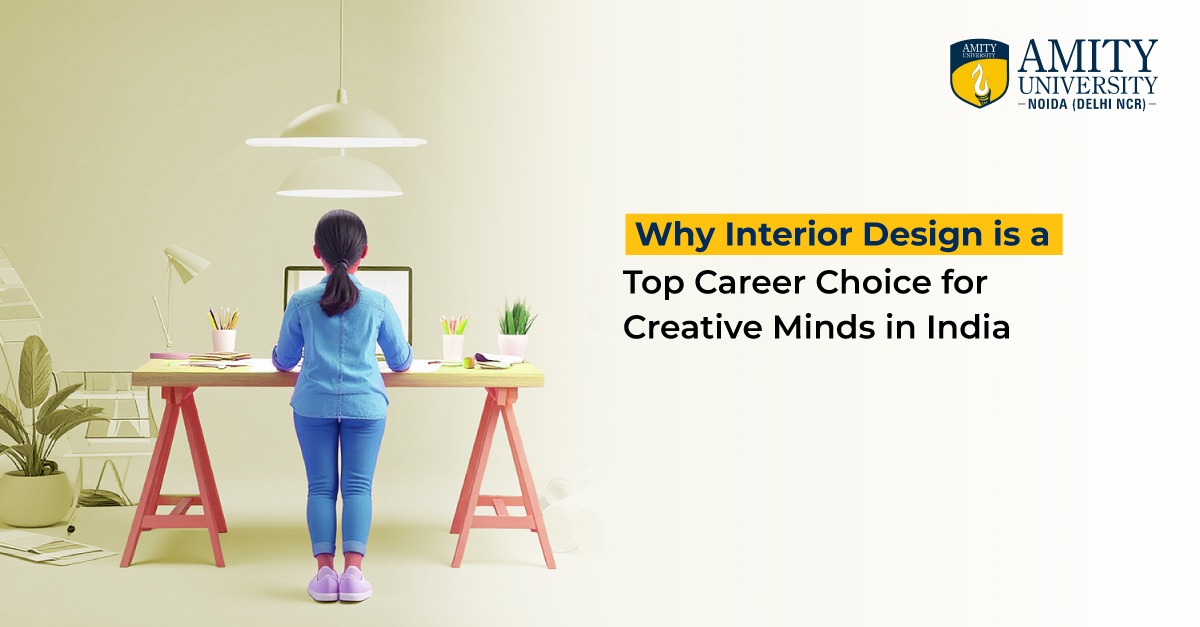
The Bachelor of Interior Design course is an undergraduate program that focuses on designing interior spaces that are functional, aesthetic, and aligned with user needs. The course trains students to understand spatial planning, materials, lighting, colour theory, furniture design, and human-centric design principles.
This program is ideal for students who:
- Enjoy creative thinking and visualisation
- Have an interest in design, art, and architecture
- Like working with spaces, layouts, and materials
- Want a practical, skill-oriented career after graduation
Why Interior Design Has Become a Popular Career Choice in India
Interior design has moved beyond decoration to become a structured professional discipline. With urbanisation, real estate development, and lifestyle changes, interior designers play an important role in shaping modern spaces.
- Increasing focus on well-planned living and working environments
- Expansion of commercial and residential projects
- Demand for customised and functional interiors
- Integration of sustainability and smart design concepts
Key Skills Students Learn in Interior Design
A Bachelor of Interior Design helps students develop a blend of creative and technical skills, including:
- Design thinking and spatial planning
- Visual communication and sketching
- Understanding materials, textures, and finishes
- Lighting and colour coordination
- Software skills for design visualisation
- Client communication and project coordination
Subjects Covered in a Bachelor of Interior Design Course
The bachelor of interior design course curriculum combines design theory with practical application. Subjects often overlap with areas of bachelor of architecture interior design, providing architectural understanding alongside interior-focused learning.
Common subjects include:
- Interior Design Studio
- Fundamentals of Design
- Building Materials and Construction
- Furniture Design
- Lighting Design
- Computer-Aided Design (CAD)
- History of Interior Design
- Environmental Studies
This structured learning helps students build a strong design foundation.
Eligibility and Pathways After 12th
Students interested in interior design courses after 12th can pursue this degree after completing their higher secondary education. Eligibility typically includes:
- Completion of Class 12 from a recognised board
- Meeting institution-specific academic criteria
- Aptitude tests or interviews in some cases
Students from any stream with a creative inclination can explore this pathway.
Course Duration and Structure
The interior design course duration is generally three to four years, depending on the institution and program structure. The course includes:
- Design studios and workshops
- Theory-based learning
- Practical projects
- Internships or industry exposure
This structure ensures balanced academic and practical development.
Fee Range and Factors Affecting Costs
The interior design courses fees vary based on factors such as:
- Institution type
- Infrastructure and studio facilities
- Software and lab access
- Industry exposure and training opportunities
Students should consider the overall learning value while evaluating fee structures.
Career Opportunities After a Bachelor of Interior Design
Graduates can explore roles such as:
- Interior Designer
- Space Planner
- Furniture Designer
- Lighting Consultant
- Exhibition Designer
- Design Assistant
- Visual Merchandiser
Many professionals also work independently or collaborate with architectural and construction firms.
Why This Course Is Ideal for Creative Minds
The Bachelor of Interior Design allows creative individuals to apply imagination to real-world environments. It encourages innovation, problem-solving, and user-focused design, making it ideal for students who want careers that combine creativity with practical impact.
Conclusion
The Bachelor of Interior Design at
Amity University Noida remains a strong academic and career choice for students who want to shape spaces through creativity and thoughtful design. With structured learning, practical exposure, and diverse career options, interior design continues to be a future-forward field for creative minds in India.
FAQs
1. What is the Bachelor of Interior Design course?
It is an undergraduate program focused on designing functional and aesthetic interior spaces using design principles and technical skills.
2. Who should pursue a degree in Interior Design?
Students with creativity, visual thinking skills, and an interest in design, architecture, and spatial planning should consider this course.
3. What subjects are taught in the Bachelor of Interior Design program?
Subjects include design studios, materials, lighting, furniture design, CAD, and design history.
4. What is the eligibility for interior design courses after 12th?
Eligibility generally requires completion of Class 12 and meeting institution-specific admission criteria.