From Script to Screen: How Film Students Bring Stories to Life
31-03-2026

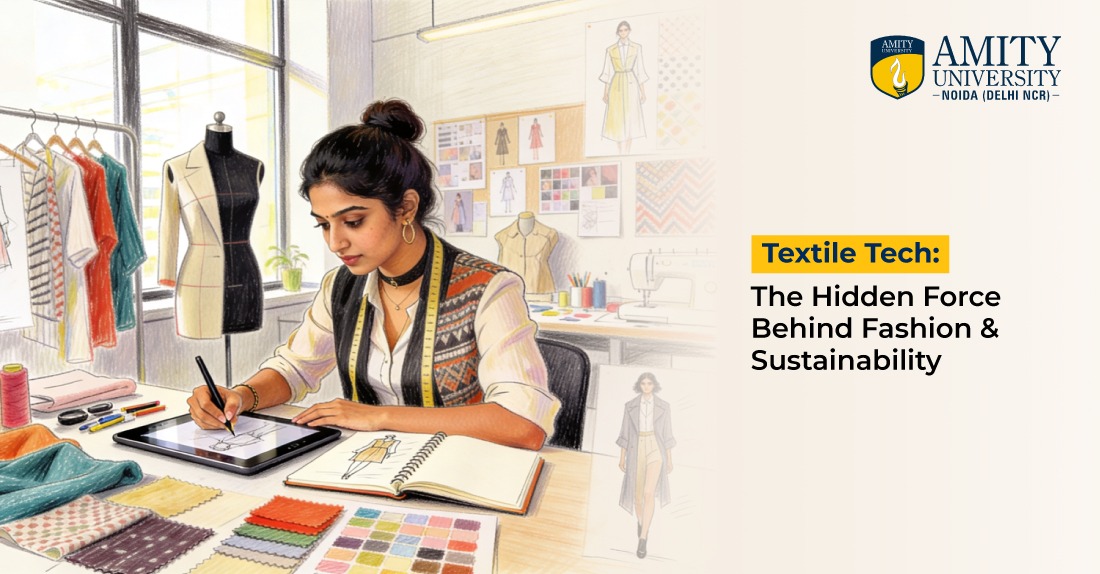
Fashion isn’t just about glamour but plenty of hard work and grit. Fashion can change the world while looking fantastic! Today, textile design is sparking huge shifts with eco-friendly materials blending wearable technology that are reaping great results for people and the planet. Therefore, a degree in Fashion Design is opening doors to high salaries, innovations and the future.
By 2030, the global textile market projected to exceed $1.5 trillion to over $3 trillion.
India exported textile items worth US$ 34.4 billion in 2023-24, with apparel constituting 42% of the export basket, followed by raw materials/semi-finished materials at 34% and finished non-apparel goods at 30%.
Textile industry is the second largest employment generators, after agriculture, with over 45 million people employed directly, including many women and the rural population. As further evidence of the inclusive nature of this industry, nearly 80% of its capacity is spread across Micro, Small and Medium Enterprises (MSME) clusters in the country.
This program is offered at the Amity School of Fashion Technology is a creative and industry-aligned undergraduate course designed for students who aspire to build careers in the fashion and textile sector. Recognised among the best university for B.Des textile design in India options, the programme blends artistic exploration with technical proficiency.
The B.Des textile design course details and curriculum are structured to help students understand both traditional textile practices and contemporary global trends. Through studio-based projects and hands-on workshops, learners develop strong conceptual and design skills.
Students exploring textile design admission process after 12th must meet the specified B.Des textile design eligibility criteria for admission, which typically include completion of 10+2 from a recognised board. The textile design course duration and structure follows a semester-based format, supported by internships and industry interaction.
Conventional careers in this field include Fabric Designer, Textile Designer, Product Developer and more. Here’s a checklist of new-age careers:
Curriculums with Corporate Accent: What’s trending, what do people want, new roles and careers, workplace skills and futuristic skills are also honed.
Innovation Playground: Our labs which are equipped with globally competitive machines and technology. Besides technical prowess, you will pick up in-demand skills like leadership, teamwork, risk taking, risk management, agility and flexibility.
Golden Visa to Careers: Be battle ready for any career you choose, learn networking with soft skills and tech edge.
Toolkit for a Byte Hero: Students are encouraged to have a design thinking mindset by unearthing every possible solution or innovation to tackle real-world challenges through industry-live projects.
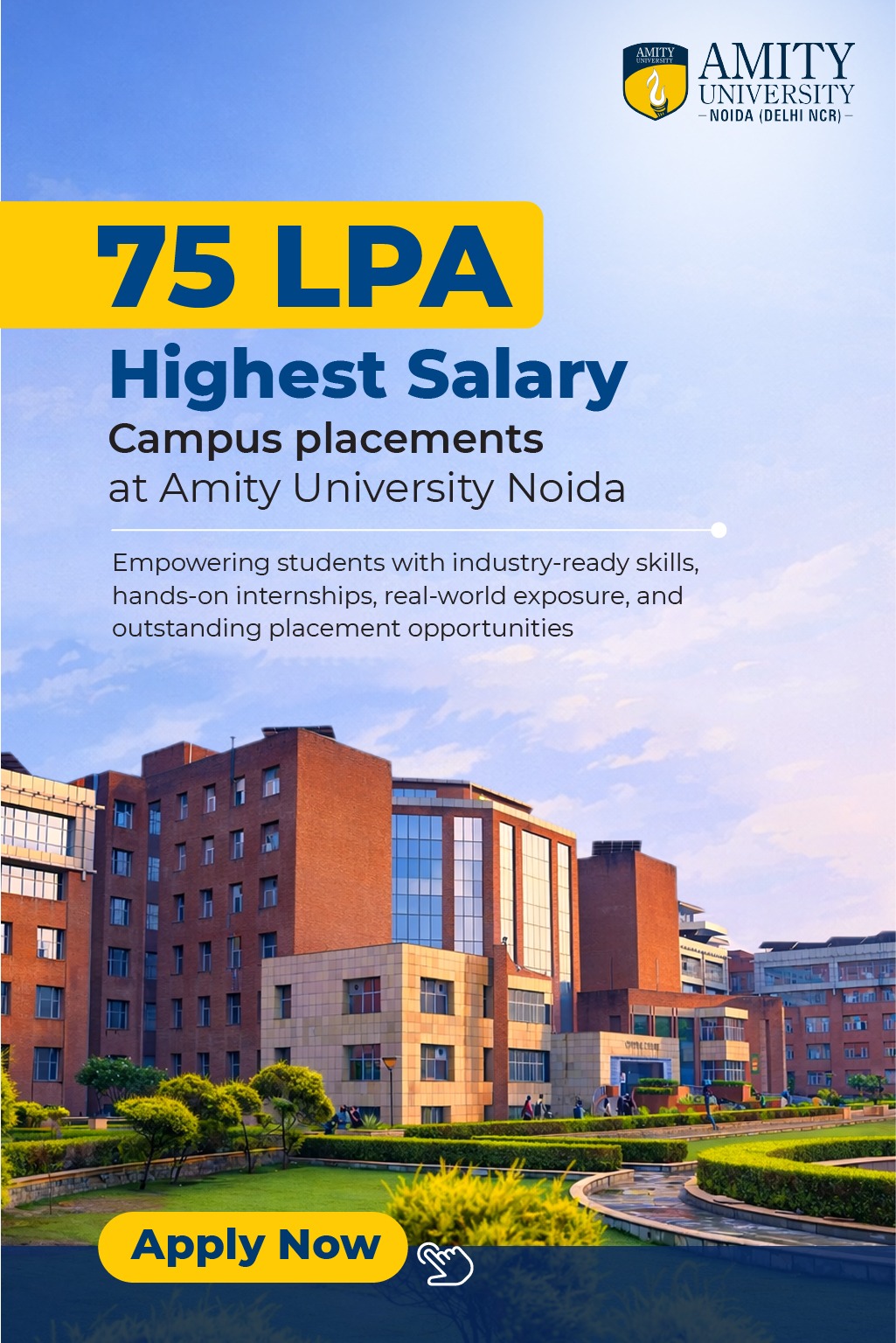
Placements: Amity’s placements create benchmarks every year from garnering Rs 2 crore annual job package to placement in 500 corporates in campus recruitment including top Fortune 500 employers.
This course holds a bright future and some very interesting careers on the road ahead. Is it your goal?


Amity University Noida's Official Blog: Your Destination for Career Guidance, Course Insights, Rankings, and Expert Tips for a Future Full of Possibilities.
Contact us: admissions@amity.co.in